Sleeping on a plane is harder than it should be: noisy cabins, shifting schedules and cramped seats turn what should be rest into a few exhausted hours of dozing. That lost sleep leaves you jet-lagged, unfocused and less able to enjoy the first day of a trip or hit the ground running for work.
This guide cuts through the noise and explains how to use the best sleep accessories for flights to actually get rest—what types of gear make the biggest difference, how to combine them for comfort and portability, and simple packing and onboard strategies to help you arrive feeling human.
Quick Answer
For the best sleep accessories for flights, focus on three things: block light and noise, support your neck and lower back, and manage your sleep cues. A contoured blackout mask plus active noise-cancelling headphones or quality earplugs, paired with a supportive travel neck pillow, a compact blanket and a small lumbar cushion will deliver the biggest payoff for most travelers.
- Block light & sound: contoured blackout eye mask + ANC headphones or high‑quality earplugs
- Support your body: supportive travel neck pillow + compact blanket and portable lumbar cushion
- Prepare your body: pick the right seat/time, limit caffeine, stay hydrated, and consider short-term melatonin if appropriate
Why This Happens
Sleeping on a plane is rarely just about being tired—multiple physical, environmental and psychological factors combine to make sustained, restorative sleep difficult. Below are the main reasons in clear, practical terms.
- Constant noise and vibration: Engines, airflow, and structural creaks produce continuous low-frequency rumble and intermittent high-frequency sounds. That background noise and subtle vibration interrupt deep sleep and prevent you from slipping into longer restorative cycles.
- Unwanted light and visual cues: Cabin lighting, reading lamps, personal screens and daylight through windows keep the brain in a more alert state. Even small amounts of light suppress melatonin, making it harder to fall asleep and stay asleep.
- Cabin pressure and lower oxygen levels: Most cabins are pressurized to the equivalent of about 6,000–8,000 feet. Slightly reduced oxygen saturation can cause restlessness, headaches and lighter sleep than you’d get at home.
- Very low humidity: Dry cabin air dehydrates nasal passages, eyes and skin, causing discomfort that wakes you or prevents deep relaxation.
- Poor posture and limited space: Narrow seats, limited legroom and upright postures place strain on the neck, back and hips. Micro-awakenings occur when your head falls or a limb goes numb, so you never reach deep sleep stages.
- Motion and turbulence: Even minor bumps trigger the vestibular system and startle responses. Frequent micro-arousals prevent cycles of uninterrupted sleep.
- Service cycles and interruptions: Meal trays, drink service, announcements and lavatory traffic create predictable and unpredictable disturbances, breaking sleep continuity.
- Thermal instability: Cabin temperatures vary row to row and over time. Feeling too hot or too cold makes it hard to relax and maintain deep sleep.
- Circadian mismatch and jet lag: When your internal clock is out of sync with the local time, the body’s sleep–wake hormones and core temperature rhythms don’t align with the flight schedule, reducing sleep drive when you want to rest.
- Stimulants, alcohol and dehydration: Caffeine, sugary drinks, alcohol and inadequate fluids alter sleep architecture—causing lighter, fragmented sleep and more awakenings.
- Anxiety and social stressors: Travel-related worry, unfamiliar surroundings and proximity to strangers raise cortisol and vigilance, which suppresses the relaxation needed for sleep.
Practical Solutions
Sleeping well on a plane is about small, repeatable habits plus the right kit. Below are actionable, low-effort solutions you can start using today—split between free/no-product approaches and targeted accessory-based moves so you can mix and match based on seat type, flight length and carry-on space.
- Free / no-product solutions
- Set up your sleep zone immediately: lower the window shade, dim your screen and ask nearby passengers to keep noise down when you’re ready to sleep.
- Use clothing as makeshift gear: roll a sweater for lumbar support or tuck it under your knees to reduce lower-back strain; wear a scarf or hoodie to block light and drafts.
- Practice a two-minute wind-down: slow diaphragmatic breathing (4–6 breaths per minute) plus progressive muscle relaxation calms nerves and shortens sleep latency.
- Stabilize your head: if you don’t have a pillow, lean gently against the fuselage or window and brace your opposite hand or elbow to stop your head from bobbing.
- Conserve battery and minimize interruptions: put devices on airplane mode, set a single dim alarm, and use a grayscale or night mode to reduce blue light stimulation before sleep.
- Product-based solutions (how to use them practically)
- Travel neck pillow: partially inflate or compress memory foam to tune firmness. Anchor it into the seat crease and tuck the ends under your chin to prevent head roll when leaning sideways.
- Eye mask: choose a contoured blackout style and adjust straps so it seals without pressing on your eyes; combine it with the hood of a sweater or a scarf for an added light barrier.
- Noise control: if you carry ANC headphones, use them with low-volume ambient noise or a sleep app’s pink noise; if you prefer earplugs, pair foam plugs with over-ear headphones to get both passive and electronic blocking.
- Compact blanket and layers: use a blanket scarf or travel throw as a lumbar wrap or knee cover; drape it over your neck pillow to reduce drafts and create warmth without bulk.
- Inflatable footrest / hammock: elevate legs slightly to reduce swelling and take pressure off the lower back—inflate to a firm but comfortable height and tuck it under the seat in front for a stable platform.
- Lumbar cushion or seat wedge: place behind your lower back to preserve the natural curve of the spine; small wedges also help keep you from sliding forward when the seat reclines.
- Compression socks: put them on before boarding to help circulation during long flights—combine with foot elevation for best results.
- Sleep-aid helpers: a travel-size lavender roller or a couple of puffs of a calming spray can cue relaxation; use only a small amount so you don’t disturb neighbors.
- Portable white noise / sleep apps: route sleep sounds through ANC headphones or small earbuds. If you don’t want to wear headphones while dozing, set a low-volume white-noise playlist on your device and swap to earplugs once you’re asleep.
- Mix-and-match setups by seat type
- Window seat: combine a neck pillow + contoured eye mask; lean into the window and tuck a rolled blanket behind your lower back for extra support.
- Aisle seat: use a lumbar cushion, footrest to keep legs comfortable, and ANC headphones (so you can remove them briefly for bathroom breaks without fully waking).
- Middle seat: focus on noise and light control—good earplugs or compact ANC earbuds + blackout mask—and create micro-support with a rolled jacket for your neck and lower back.
- Bulkhead/extra legroom: take advantage of space with an inflatable footrest and full lumbar support; lean into the footrest when reclined for a semi-reclined hammock effect.
- Quick setup checklist before you close your eyes
- Adjust head and lumbar supports; secure the neck pillow so it won’t slip.
- Put on eye mask and earplugs/ANC headphones; start sleep sound if using one.
- Fasten seatbelt over clothing or blanket so crew can see you’re buckled while still comfortable.
- Elevate feet slightly if possible and ensure your airway is unobstructed—avoid thick collars or tight scarves while fully reclined.
- Etiquette and safety reminders
- Keep the aisle clear and be ready to move if a crew call or emergency occurs.
- Communicate with flight attendants if you need a short nap but want a wake notification for meal service or customs preclearance.
- Use scent-based aids sparingly and always be mindful of neighboring passengers’ sensitivities.
Recommended Products
These travel-ready items address the most common in-flight sleep disruptors—supporting your neck and back, blocking noise and light, improving circulation and warmth, and offering small comforts that make it easier to fall and stay asleep on long flights.
Evolution S3 Memory Foam Travel Pillow
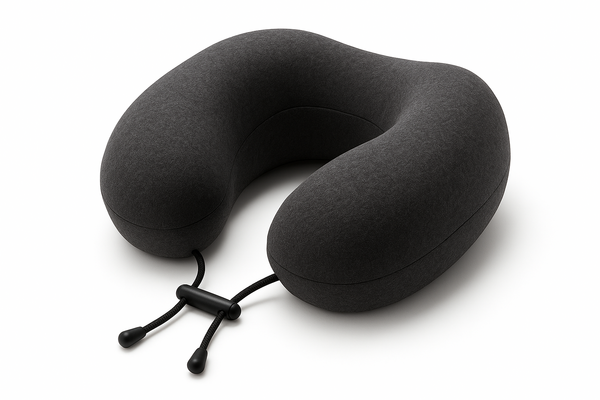
Brand: Cabeau
High-density memory foam with 360° ergonomic neck support reduces head bobbing on planes and trains; adjustable straps and a washable cover improve comfort and hygiene; compresses into a travel bag for easy packing—widely praised for durability and traveler comfort.
Aeros Premium Pillow
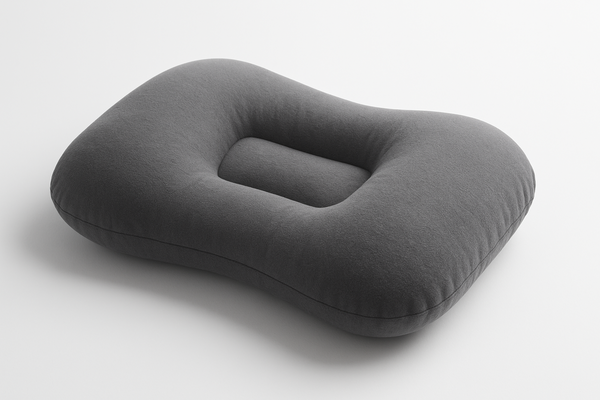
Brand: Sea to Summit
Lightweight, compact inflatable travel pillow from a trusted outdoor brand. Offers soft brushed polyester surface, adjustable firmness, and packs down small in its stuff sack—ideal for airplane, train, and backpacking use.
Sony WH-1000XM5 Wireless Noise Canceling Headphones
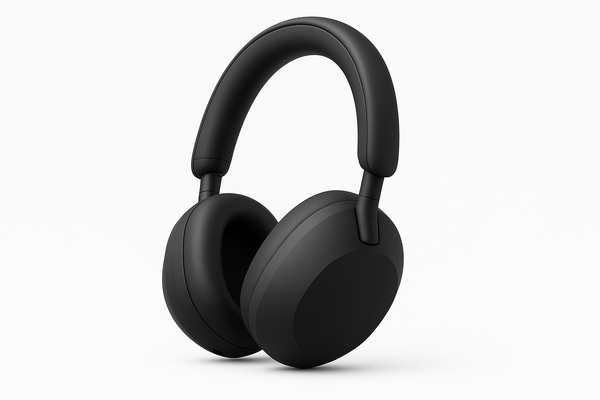
Brand: Sony
Industry-leading active noise cancellation and excellent sound quality make these ideal for travelers—comfortable for long flights, up to ~30 hours battery life with fast charging, reliable Bluetooth multipoint connectivity, compact carrying case, and proven Sony reliability.
Mack’s Ultra Soft Foam Ear Plugs
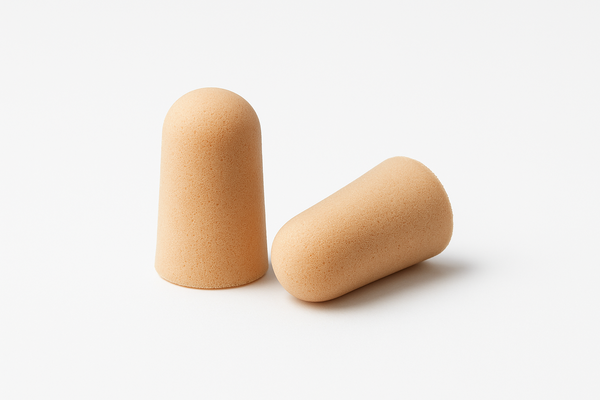
Brand: Mack’s
Very soft, slow‑recovery foam with a high NRR (around 32 dB) for excellent noise reduction—comfortable for sleeping, flying, and trains. Tapered shape fits most ear canals, widely available in travel‑friendly multi‑packs, and sold by a trusted hearing protection brand.
MZOO 3D Contoured Sleep Mask
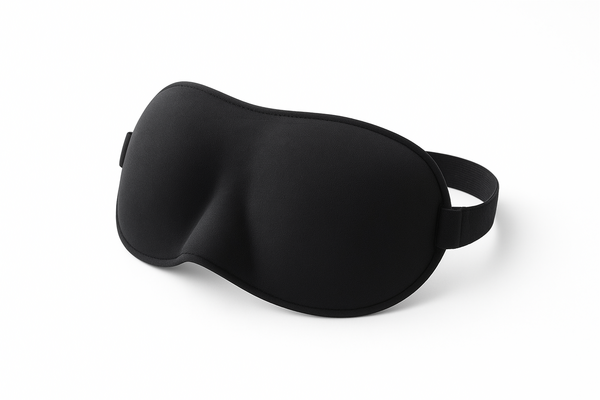
Brand: MZOO
Well-known 3D contoured design creates space around the eyes so it doesn’t press on lashes or eyelids, while a molded nose bridge and thick memory foam provide effective blackout. Lightweight, breathable materials with an adjustable strap and washable cover make it travel-friendly for planes, trains, and hotels.
Rumpl Original Puffy Blanket (Down Alternative, Packable)
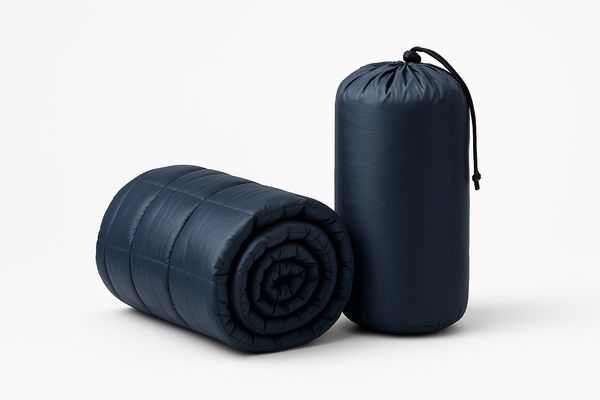
Brand: Rumpl
A popular, travel-focused blanket that compresses into a compact stuff sack for easy packing. Uses synthetic NanoLoft insulation for warmth without bulk, has a water-resistant ripstop shell, is machine-washable, and is durable enough for planes, cars, camping, and outdoor events—making it an ideal, trusted option for travelers.
Plane Pal Premium Travel Foot Hammock
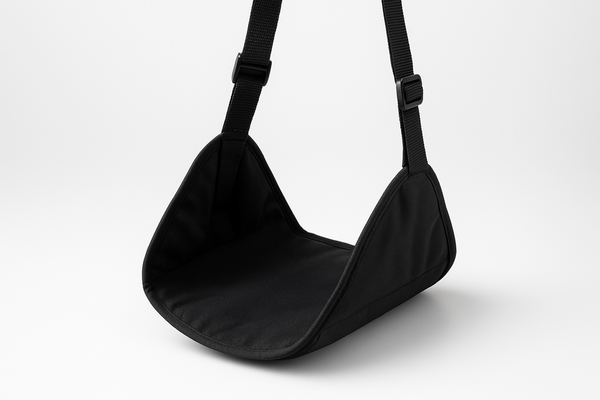
Brand: Plane Pal
Lightweight, compact and designed specifically for air travel — straps attach to the seatback tray table to create an elevated foot hammock that reduces leg swelling and improves comfort on long flights. Made from durable ripstop nylon, folds into a small travel pouch, is adjustable to different leg lengths and seat configurations, and is widely used by frequent flyers and travelers.
Comparison Table
| Product Type | Best Use | Main Advantage | Downside | Who Should Choose It |
|---|---|---|---|---|
| Evolution S3 Memory Foam Travel Pillow | Long-haul flights and sustained neck support while seated | Firm, contouring support that reduces neck strain and holds shape | Bulkier and heavier than inflatable options; takes more carry-on space | Travelers with neck pain or anyone seeking maximum in-seat comfort |
| Aeros Premium Pillow | Short naps, budget travel, and tight carry-on packing | Highly packable and adjustable firmness; nearly weightless when deflated | Less plush than foam; risk of punctures or loss of firmness | Minimalist packers and travelers who prioritize space savings |
| Sony WH-1000XM5 Wireless Noise Canceling Headphones | Blocking constant low-frequency cabin and engine noise | Superior reduction of background drone; improves sleep with audio | Bulky, more expensive, and needs battery/charging | Frequent flyers and light sleepers sensitive to engine hum |
| Mack’s Ultra Soft Foam Ear Plugs | Simple noise reduction for short or economy flights | Ultra-compact, inexpensive and effective for mid/high frequencies | Less effective on deep rumble; hygiene concerns if reused improperly | Budget travelers and those who want a tiny, no-fuss solution |
| MZOO 3D Contoured Sleep Mask | Blocking cabin light for naps or red-eye flights | Contoured blackout design prevents light leakage without pressure on eyes | Can feel warm; some designs interfere with glasses or facial movement | Anyone sensitive to light who wants reliable darkness onboard |
| Rumpl Original Puffy Blanket (Down Alternative, Packable) | Staying warm and comfortable in cold cabins or overnight flights | Lightweight, versatile layering that doubles as a scarf or blanket | May be thin and not as insulating as full-sized blankets | Cold flyers and travelers who want multiuse, compact warmth |
| Plane Pal Premium Travel Foot Hammock | Elevating feet in economy seats to reduce fatigue | Improves circulation and leg comfort; relieves pressure in cramped rows | Needs a tray or seat in front to anchor; can intrude on neighbors | Economy passengers on long flights wanting better leg support |
FAQ
What are the best accessories to help me sleep on a plane?
A supportive travel pillow, noise-cancelling headphones or quality earplugs, a blackout eye mask, a compact blanket and a lumbar cushion are the most effective combined.
Are noise-cancelling headphones better than earplugs?
ANC headphones excel at reducing low-frequency engine hum and can be more comfortable for long stretches; earplugs are inexpensive, pocket-sized and often better for high-frequency noise—choose based on comfort, noise type and packing space.
Can I use essential oils or sprays on a plane to sleep?
Yes—compact rollerballs or small spray bottles of calming scents like lavender are allowed in carry-on if they meet liquid limits; use sparingly and consider other passengers’ sensitivities.
Are inflatable pillows worth it?
Inflatable pillows save space and let you adjust firmness, making them great for small carry-ons or budget travel, though they generally offer less plush support than memory-foam options.
Is melatonin safe to help sleep on flights?
Many travelers use melatonin short-term to aid sleep onset or adjust to time zones; consult your doctor if you have chronic conditions, are pregnant, or take other medications.
How do I choose a travel pillow for neck pain?
Look for firm, anatomically contoured designs with good lateral support, breathable covers and washable materials—memory-foam or hybrid constructions are often best for neck pain.
What should I pack to make an overnight flight comfortable?
Pack a reliable travel pillow, a contoured blackout mask, ANC headphones or foam earplugs, a lightweight travel blanket, compression socks and a small toiletry/refresh kit.
Conclusion
As a practical next step, assemble a compact sleep kit of the core items that work for you (pillow, eye mask and noise control), test them on a short nap at home to dial in fit and comfort, pack them in your carry‑on, and adopt a simple pre‑flight routine—darken screens, limit stimulants and set your watch to destination time. Trying your chosen best sleep accessories for flights before you fly and keeping the kit lightweight will give you the biggest improvement in in‑flight sleep.