Landing without your checked bag is one of travel’s most awkward disruptions: you’re short on clothes and toiletries, possibly missing meds or business items, and suddenly a short trip turns into a logistics problem that wastes time and money. That initial shock matters because the actions you take in the first hours determine how fast your bag is found and how much you’ll be reimbursed.
If you’re wondering what to do if luggage is delayed, this step‑by‑step guide lays out practical, prioritized actions — from what to do right at the airport to tracking, documenting purchases, filing claims, and escalating when necessary — so you can minimize cost, stay organized, and get reunited with your belongings as quickly as possible.
Quick Answer
If your luggage is delayed, act immediately: file a Property Irregularity Report (PIR) at the airline desk or through the carrier’s app and get the PIR number and delivery contact; track the bag using the airline’s tracing tools and any smart-tag data; buy only essential items, save every receipt, and submit those receipts with your PIR to the airline and your insurer or credit-card provider for reimbursement.
- File a PIR in person or via the airline app—collect the reference number and confirm delivery contact details.
- Track the bag with WorldTracer/airline tools and any smart tracker, set alerts, and keep a dated log of status updates.
- Buy only necessities, keep digital and paper receipts, then file claims with the airline and your travel insurer or card issuer promptly.
Why This Happens
Checked baggage moves through a complex, time-sensitive chain: ticketing, tagging, sorting, loading, transfer and customs. A hiccup at any link — mechanical, digital or human — can leave a bag behind. Here are the common, concrete reasons your luggage gets delayed.
- Tight connections and missed transfers: When a flight lands late or connection windows are short, handlers often prioritize getting passengers on the next plane; checked bags may be left to follow on a later flight.
- Aircraft swaps and capacity limits: If an aircraft is changed to a smaller plane or is full, some bags are offloaded to balance weight and space and sent later.
- Mis-tagging and damaged labels: Torn or unreadable baggage tags and incorrect routing information cause bags to be sorted to the wrong belt or sent to the wrong hub.
- Human error in handling: Scanning mistakes, placing a bag on the wrong carousel, or manual sorting errors at busy hubs lead to misrouted luggage.
- Baggage-handling system failures: Conveyor jams, sorter breakdowns, or broken scanners at the sort facility interrupt the flow and create backlogs.
- Security and customs holds: Bags flagged for additional screening or customs inspections are pulled aside and re-enter the system more slowly.
- Weather and operational disruptions: Storms, airport closures, or air-traffic delays force flights to be rescheduled and bags to be rebooked separately from passengers.
- Peak-season staffing shortages: High passenger volumes with limited ground staff increase the chance of mistakes and slower baggage processing.
- Remote stands and transfer logistics: Passengers may be bussed to a terminal while their bags are routed through a different ground-side process, creating timing mismatches.
- Special-handling items: Oversized, oddly shaped or declared-value bags require separate routing and paperwork that can delay their arrival.
- IT outages and data mismatches: System crashes or mismatched digital records can break the connection between a physical bag and its electronic tracking, so the bag is harder to locate in the network.
Practical Solutions
When a bag is delayed, small process changes and smart paperwork cut stress and reclaim money faster. Use these practical, low-cost tactics to streamline recovery and reimbursement.
- Create a single “Delayed Luggage” folder: Use cloud storage (Google Drive, iCloud, OneDrive) and keep PDFs of every receipt, screenshots of tracking/status, all correspondence, and a running log. Name files with date and short description (e.g., 2026-08-09_receipt_toothpaste.pdf) so nothing is lost in email threads.
- Keep a one-page incident log (spreadsheet): Columns: date/time, contact name, company/department, phone/email, reference number, summary of update, promised ETA. Update it after every call or message—this turns anecdote into evidence if you need to escalate or file a formal dispute.
- Scan and standardize receipts: Ask for itemized, merchant-stamped receipts and scan them immediately. Convert to searchable PDFs and include the card used and transaction ID where possible—insurers and airlines process itemized claims faster than handwritten or vague slips.
- Use the hotel/concierge as a local partner: Ask staff to help locate stores that price-match, find same-day delivery services, or provide a dated receipt. Many hotels will also accept a returned bag on your behalf and can sign for deliveries—use that to avoid missed handoffs.
- Minimize out-of-pocket cost by buying smart: Prioritize low-cost essentials and stick to common-brand items that are easily verifiable on receipts. If you need several items, ask the cashier for separate receipts per item or a clearly itemized single receipt to make reimbursement straightforward.
- Leverage payment and benefits channels: Contact your card issuer’s benefits/concierge line for immediate help and to confirm what they’ll reimburse. If a card provides emergency cash or concierge purchases, use that avenue first to reduce upfront personal expense.
- Export tracker evidence correctly: If you use a smart tracker, capture its location history cleanly: take dated screenshots, export any available logs from the app, and note the timestamp and device used. Attach those to correspondence rather than sending live-share links that can expire or be ignored.
- Negotiate with clarity: When an agent offers interim reimbursement or a goodwill payment, get the offer in writing (email) with terms and payment timeline. If you accept a partial payout, document that acceptance and keep a copy of the confirmation.
- Plan immediate wardrobe/health contingencies: If you lack specific items (medication, baby supplies), ask the airline or hotel if they can source them directly—this reduces receipts disputes and speeds recovery of necessary items without excess spending.
- Consider low-barrier dispute routes: If an airline stalls, use next-step options that cost little time: file an online escalation form, then a complaint with the national aviation regulator. Keep your incident log and cloud folder ready to upload when requested.
- Prepare a short, factual summary for claims: Draft a one-paragraph timeline (date, flight, PIR number, key actions taken) and attach it to every claim submission—claims teams process concise, factual timelines faster than long narratives.
- When the bag returns: document condition immediately: Photograph the bag and its contents on arrival in well-lit conditions, include a timestamped note in the photo if possible, and add those files to your cloud folder prior to signing any delivery receipts.
Recommended Products
These four items cover the essential actions when baggage is delayed: a way to file and track your Property Irregularity Report, travel insurance that handles baggage delays and emergency assistance, a compact luggage tracker to provide location data, and a same‑day/next‑day delivery option to replace must‑have items quickly while preserving digital receipts for claims.
Apple iPhone 14 (128GB)

Brand: Apple
A reliable travel smartphone is essential for filing a Property Irregularity Report (PIR) via an airline app or in-person. The iPhone 14 offers strong battery life, global connectivity options (including eSIM), a high-quality camera to photograph damaged baggage and receipts as evidence, and robust app/security support to store and transmit PIR documentation quickly while on the go.
OneTrip Prime Travel Insurance
Brand: Allianz Travel (Allianz Global Assistance)
Trusted, traveler-focused single-trip plan offering baggage delay reimbursement, emergency medical and evacuation assistance, fast claims reimbursement and 24/7 global support. Good coverage limits for lost or delayed luggage and easy online claims make it ideal for frequent or leisure travelers seeking reliable protection.
Apple AirTag (4-Pack)

Brand: Apple
Compact, travel-friendly trackers that integrate with Apple’s Find My network to locate checked luggage worldwide using the vast crowd‑sourced network. Works seamlessly with iPhone (Precise Finding with U1‑equipped iPhones), has user‑replaceable CR2032 battery (~1 year), IP67 dust/water resistance, and strong privacy controls—making it a reliable choice for frequent travelers.
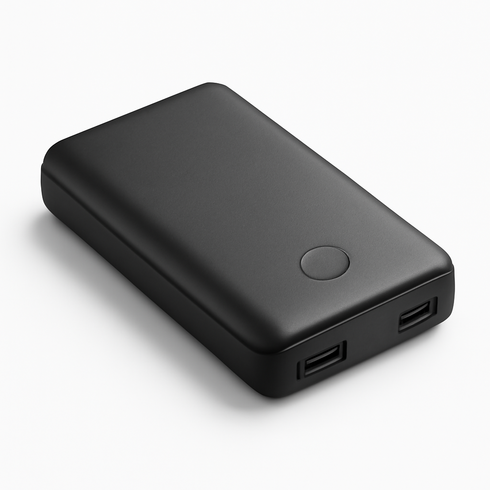
Anker PowerCore 10000 Portable Charger
Brand: Anker
Compact, reliable 10,000mAh power bank from a trusted brand — ideal for travelers who need fast replacement via Amazon Prime (same/next-day) and a digital receipt for insurance or warranty claims.
Comparison Table
| Product Type | Best Use | Main Advantage | Downside | Who Should Choose It |
|---|---|---|---|---|
| Apple iPhone 14 (128GB) | Log the delay immediately at the airport or via the airline app to get an official reference and start tracing. | Creates the formal record (PIR) airlines require for tracking and reimbursement; essential for any claim. | Must be filed promptly and accurately; front‑line agents can be slow or inconsistent with information. | Every traveler whose checked bag didn’t arrive — this is the foundational step for recovery and claims. |
| OneTrip Prime Travel Insurance | File when you expect out‑of‑pocket costs or need emergency assistance while the airline investigates. | Provides reimbursement for essentials, 24/7 help and potentially faster payouts than airlines alone. | Coverage limits, exclusions and documentation requirements apply; you may need to submit many receipts. | Frequent travelers, long trips or anyone with high‑value items who wants backup financial protection. |
| Apple AirTag (4-Pack) | Track last‑known location of checked luggage and share location data with the airline to speed recovery. | Offers location history and near‑real‑time clues that can shorten search time and support claims. | Battery and signal limits, may not always report inside certain holds, and requires prior setup in the bag. | Tech‑savvy travelers and those who check valuable items or want additional peace of mind. |
| Anker PowerCore 10000 Portable Charger | Replace essentials fast with same‑day or next‑day delivery and keep clear digital receipts for claims. | Speed and convenience—quick access to toiletries and clothing plus easy documentation for reimbursement. | Availability varies by location; expedited options can be more expensive than local buys. | Travelers who need fast replacements and prefer neat digital records for filing claims. |
FAQ
How long is my bag considered „delayed“?
Most airlines treat baggage as delayed the moment it doesn’t arrive with your flight. For compensation and lost-baggage rules, many carriers move to a „lost“ designation after about 21 days—check your airline’s specific policy for exact timing.
Will the airline pay for clothes and toiletries I buy?
Yes—many airlines reimburse reasonable emergency purchases if you keep receipts. File a baggage-delay claim with your PIR and attach the receipts plus a brief explanation of the purchases.
Can a smart tracker like an AirTag help recover my bag?
Yes. Smart trackers can provide location clues and a location history that may speed recovery and support your claim. Always file a PIR with the airline first, then share tracker data with baggage agents.
What information do I need to file a claim?
Keep your PIR number, boarding pass, baggage-tag photos, receipts for emergency purchases, photos documenting bag contents and value, any tracking data, and copies of airline correspondence.
When should I involve travel insurance or my credit card?
Contact your insurer or card provider as soon as you buy essentials or when the airline confirms a delay. Many policies require filing within a set window—commonly 7–21 days—so act promptly and submit receipts and the PIR with your claim.
Conclusion
Do one thing first: file a Property Irregularity Report with the airline (in-person or via the app) and get the reference number—then keep a single, dated log of that reference, receipts, photos and any tracking info. That single thread of documentation, plus timely contact with the airline and your insurer, is the most practical way to speed recovery and secure reimbursement if your luggage is delayed or ultimately lost.