Having an item confiscated at airport security can derail an otherwise simple trip: you might miss your connecting flight due to delay, lose essential medication or work gear, and be left scrambling for proof and options while the clock ticks toward departure. It’s immediate, stressful, and can turn a short delay into a major disruption.
This guide walks you through practical next steps you can take right now—what to say at the checkpoint, how to document the seizure, immediate recovery options at the airport, and the safest ways to pursue complaints or claims afterward—so you can protect yourself, your belongings, and your travel schedule.
Quick Answer
If a security confiscation causes you to miss a connecting flight, act fast: document the seizure, notify the airline immediately to get rebooked or housed, and insist on escalation if the item is a medical or mobility necessity. Collect written proof of the confiscation and any airline decisions now—those records are what you’ll use for compensation, insurance, or complaints later.
- Get a written confiscation receipt with officer name, badge/ID number, agency and time.
- Photograph the screening area, any paperwork, and note your flight/connection details and time missed.
- Tell the airline at the desk or gate right away—request rebooking, meal/hotel assistance, and a written confirmation of the missed connection.
- Ask security if the item can be returned, checked, or mailed and get a supervisor’s name/contact if they refuse.
- If the item is essential (medication, CPAP, wheelchair), demand immediate escalation and a medical exception or alternate solution.
- Keep all receipts, boarding passes and serial numbers; file follow-up reports with the airport agency, lost & found and your insurer or card issuer after you’re settled.
Why This Happens
Confiscation at a security checkpoint is rarely personal — it’s the result of overlapping rules, fast decisions, and risk-avoidant procedures. When an officer sees something that could pose a safety, legal or customs risk, the default response is removal. That conservative approach is what prevents incidents, but it also creates delays that can cascade into a missed connecting flight due to delay.
- Strict regulatory limits: International and national rules set hard limits (liquids, aerosols, certain chemicals, sharp objects). Anything outside those technical specs is treated as non-compliant and often removed.
- Dangerous-goods rules: Items with fire, explosion or inhalation risk — spare lithium batteries, power banks, flammable liquids and aerosols — are singled out because their failure modes are hard to manage in flight.
- X‑ray and scanner ambiguity: Dense or unfamiliar shapes, mixed materials, or packed electronics can register as “unknown” on screening machines, triggering manual inspection and, if the item can’t be quickly cleared, confiscation.
- Operator discretion and liability: Frontline officers must make split‑second calls. To avoid legal or safety consequences, many prefer to confiscate ambiguous items rather than risk allowing them through.
- Different agencies, different rules: Security, customs and airline policies all overlap but aren’t identical. Something acceptable to one authority can be prohibited by another — especially when you cross borders.
- Medical and mobility gear checks: Devices that affect safety (oxygen tanks, certain medical pumps, mobility batteries) need documentation or special handling. Missing paperwork or non‑standard batteries can lead to hold or seizure.
- Customs and agricultural bans: Food, plants, large amounts of cash or restricted imports are handled by customs, not security. Those items can be seized for legal reasons rather than safety concerns.
- Packing errors and last‑minute choices: Crowded queues and time pressure push people to shove borderline items into carry-ons. Those items are far more likely to get flagged during peak screening times.
- Inconsistent enforcement by location and staff: Different airports and even different officers apply rules with varying strictness. That unpredictability can turn an overlooked item at one airport into a confiscation at another.
- Occasional criminal seizure or mishandling: On rare occasions, items are taken for law enforcement reasons (suspected illegal goods) or are lost/misplaced during processing — factors that complicate recovery and extend delays.
Practical Solutions
When an item is confiscated and time is ticking, focus on two tracks: (1) get back on schedule (or prove why you missed a connection) and (2) minimize the loss by creating usable workarounds. The suggestions below mix no-cost steps with inexpensive, practical tools you can buy before your next trip.
Free, immediate fixes
- Prioritize travel logistics: if the confiscation threatens your onward journey or you’ve missed your connection, ask the airline immediately for rebooking, delay vouchers, and written confirmation that the delay/confiscation caused disruption — that note supports later claims.
- Use cloud backups and account access: sign into email or cloud services from airport kiosks or an airline counter phone to retrieve boarding passes, itineraries, and stored receipts so you can proceed even without a device.
- Borrow or improvise: ask gate agents or airport staff for temporary access to a public phone, boarding-pass printer, or a loaner device; many airports and airline lounges offer basic support for stranded passengers.
- Document for later claims: if you can’t get an on-the-spot receipt for the confiscation, take timestamped photos of the scene, save boarding passes and any rebooking paperwork, and write a short timeline while it’s fresh in your head.
- Escalate tactically: request a supervisor or medical exception if the item is essential (medication, mobility aid); if you’ve missed a connecting flight due to delay compounded by the confiscation, ask airline staff for written acknowledgment to strengthen compensation or insurance claims.
- Contact your insurer and card issuer immediately: call the travel-insurance emergency number and your premium credit-card benefits line while still in the airport to report loss and get advice on next steps and temporary assistance.
Low-cost and product-based solutions (what to buy or pack next time)
- Carry simple redundancy: keep a basic backup phone, a printed copy of critical travel documents, and a compact power bank in a separate location (checked bag or different pocket) so one confiscation doesn’t strand you.
- Use generic Bluetooth item trackers and remote-device services: attach a small tracking puck to carry-on electronics and enable device-finder services and remote-lock/wipe functionality on laptops and phones to preserve security and evidence if a device goes missing.
- Pack compliant toiletry and battery solutions: store liquids in approved small bottles and keep spare batteries in approved protective cases so you’re less likely to be forced to discard essentials at screening.
- Invest in secure travel organization: a lockable cable pouch and a clear toiletry organizer let TSA officers inspect without riffling personal pockets, reducing the chance of unexpected confiscation of small valuables.
- Buy temporary replacements at the airport: when an essential item is confiscated and you must travel, prioritize inexpensive, replaceable alternatives sold at airport shops (power cables, basic headphones, adapters) and save receipts for reimbursement claims.
- Enroll in pre-screening and assistance programs: programs that expedite screening don’t guarantee immunity from confiscation, but they reduce the likelihood of last-minute scrambles that cause missed connections; pair enrollment with the other product steps above for maximum resilience.
Practical follow-up actions that save money and time
- Consolidate receipts and timeline into one folder (digital and paper) within 24–48 hours for insurance, credit-card claims, or small-claims court; include proof you missed a connection if applicable.
- Ask the airline for delay/irregularity codes and a written statement tying the missed connecting flight to the delay or screening issue — this is often required by insurers and card providers.
- Use temporary cloud recovery to access essential files and continue travel plans while you pursue return or reimbursement; this is faster and cheaper than replacing high-value gear immediately.
- If a quick return of the item is unlikely, prioritize filing a loss/claims packet with the airport or security agency and start an insurance claim within the policy’s deadline to avoid denial for late notice.
Recommended Products
These tools cover the immediate and follow-up needs if an item is confiscated: a travel-insurance policy to support claims, an online legal-document service for quick templates and advice, a small Bluetooth/item tracker for last-known location evidence, and TSA-compliant toiletry containers to prevent future disposals at security.
World Nomads Explorer Travel Insurance — High‑Value Item Claims Support
Brand: World Nomads
World Nomads is a well-known travel insurer popular with backpackers, photographers, and long‑term travelers. This plan supports claims for lost or stolen high‑value items (subject to policy limits) and provides step‑by‑step claim assistance and online claim filing—making it easier for travelers to recover costs and get guidance while abroad. Good for travelers who carry cameras, laptops, or other valuable gear and need reliable, travel‑focused support.
Rocket Lawyer Premium Membership
Brand: Rocket Lawyer
Provides immediate access to customizable legal templates (demand letters, small-claims forms, power of attorney), step-by-step consumer-legal guides for contesting or escalating seizures, and on-demand attorney consultations for review or escalation—fully online and mobile-friendly, making it practical for travelers needing quick, documented action.
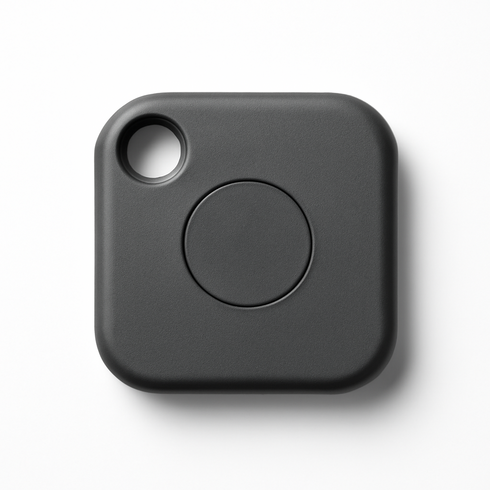
Tile Pro (2022) 1-pack – Bluetooth Tracker (400 ft Range)
Brand: Tile
Tile Pro is a trusted, travel-friendly tracker with a long Bluetooth range and a user-replaceable battery. You can pre-register the device in the Tile app and—when paired with Tile Premium—access location history to prove the last-known location of electronics, making it useful for travelers who need verifiable device whereabouts.
Comparison Table
| Product Type | Best Use | Main Advantage | Downside | Who Should Choose It |
|---|---|---|---|---|
| World Nomads Explorer Travel Insurance — High‑Value Item Claims Support | Claiming reimbursement for lost/stolen high-value items and expenses from travel disruption after a confiscation or delay that caused a missed connecting flight | Provides structured claims process and potential reimbursement for item value, emergency purchases, and trip interruption costs | Many policies exclude items confiscated because they were prohibited; strict timelines and documentation requirements can lead to denials | Travelers carrying expensive gear or who want financial protection against losses and missed-connection expenses |
| Rocket Lawyer Premium Membership | Rapid access to legal templates and consumer-legal guidance to dispute wrongful seizures or seek compensation after a missed connection caused by security action | Quick, low-cost way to generate formal complaints, demand letters, or next-step legal advice without hiring a full attorney immediately | May not include full representation; escalating to formal legal action can incur extra fees and take time | Passengers facing complex disputes, needing formal paperwork, or planning to escalate to claims or small-claims court |
| Tile Pro (2022) 1-pack – Bluetooth Tracker (400 ft Range) | Locating lost or taken electronics and proving last-known location to aid recovery, police reports, or insurance claims when an item is seized or goes missing during a delay | Device location history and alerts can provide immediate evidence of where an item was last seen, speeding recovery and supporting claims | Requires pre-install/setup and may be useless if the device is powered off, reset, or disabled by security | Tech-savvy travelers who carry phones, laptops, or cameras and want proactive tracking for recovery and evidence |
FAQ
Can I get a confiscated item back from airport security?
Sometimes. It depends on the agency and the reason for confiscation—immediate documentation, asking for a written receipt, and contacting the airport lost & found or the responsible agency are the fastest routes to recovery.
Why did TSA or airport security take my item?
Common reasons include prohibited items in carry-on (knives, oversized liquids), batteries or devices that fail safety rules, or medical/device non-compliance; always ask for a written explanation when an item is taken.
How long do airports keep confiscated items?
Retention times vary by agency and country, from a few days to several months; contact the specific airport or security agency for their retention and retrieval policy.
Will travel insurance cover an item confiscated by security?
Often not if the item was confiscated for being prohibited or illegal. Some policies may cover loss or theft—check your policy wording and submit full documentation if you file a claim.
What immediate evidence should I collect if an item is confiscated?
Collect photos, the time, officer name and badge number, any written receipt, flight number, witness names, serial numbers and original purchase receipts for the item.
When should I involve the police or a lawyer?
File a police report if you suspect theft or wrongful seizure of high-value items. Consult an attorney if the agency refuses to return property or provide documentation, or if legal penalties are possible.
Conclusion
If an item is confiscated and you’ve missed a connecting flight due to delay, first secure your onward travel with the airline so you can focus on recovery; preserve every bit of documentation (confiscation receipt, photos, times, badge numbers and witness names) and keep original boarding passes. After you’re rebooked or safely off the clock, contact the airport/security agency and lost & found, file the appropriate complaints and insurance claims quickly, and escalate to police or legal counsel only for high‑value or medically critical items. Acting fast, documenting thoroughly, and using the airline and agency complaint channels gives you the best chance to recover the item or win reimbursement.