By hour four on a long flight, cramped airline seats turn into a slow-burning source of pain: pressure on your tailbone, numb legs, and a sore lower back that sneaks into the rest of your trip. That discomfort doesn’t just make the flight miserable—it undermines sleep, productivity, and how you feel when you land.
This guide cuts through the marketing and helps you choose the best airplane seat cushion for long flights by explaining how cushions relieve pressure, what cushion types and features actually matter, and how to use and pack one so it fits your body, budget, and carry-on routine.
Quick Answer
The best airplane seat cushion for long flights is one that combines pressure-relieving memory foam or gel infusion with a coccyx cutout, moderate thickness (about 1.5–3 inches), a breathable washable cover, and a secure strap—this setup improves posture, reduces tailbone pain and numbness, and stays reasonably packable.
- Choose memory-foam or gel-infused designs with a coccyx cutout for pressure relief and posture support.
- Pick a cushion ~1.5–3″ thick with medium-firm density, a breathable removable cover, and a strap for airplane seats.
- For travel, prioritize packability (or an inflatable option), TSA-friendly carry-on size, and an easy-to-clean cover.
Why This Happens
Discomfort on long flights isn’t just bad luck — it’s the predictable result of several design and physiological factors that combine when you sit still for hours. Understanding these root causes makes it much easier to pick the right fix, like the best airplane seat cushion for long flights.
- Seat geometry and minimal padding — Airplane seats prioritize weight, fuel efficiency and density of seating over comfort. Thin, firm cushions and a relatively flat seat pan concentrate pressure under the sit bones and tailbone instead of distributing it across a wider surface.
- Pressure points and localized ischemia — Sitting compresses soft tissue and small blood vessels. Over time the lack of even pressure distribution causes numbness, tingling and pain in the buttocks and thighs when nerves and circulation are partially pinched.
- Pelvic tilt and poor lumbar support — Many economy seats slope forward or lack lumbar contour, which tips the pelvis and rounds the lower spine. That posture increases load on discs and low-back muscles, producing soreness and fatigue.
- Restricted movement and prolonged static loading — Limited legroom and the impracticality of frequent position changes on a crowded plane mean muscles stay contracted for longer. Static loading accelerates muscle fatigue and stiffness compared with regular movement on the ground.
- Coccyx contact and hard edges — Seats with little rear relief or a forward edge that digs into the thighs put direct pressure on the coccyx and hamstrings, which triggers sharp pain for people with tailbone sensitivity or prior pelvic injuries.
- Seat pan angle and sliding — A downward-sloping or slick seat pan makes you slide forward, forcing you to sit with more knee flexion and increasing pressure on the underside of the thighs. That reduces circulation and promotes numbness behind the knees.
- Foam compression and heat buildup — Lower-density foam compresses over time and loses its ability to rebound, so the seat gets firmer and less supportive during a long flight. Heat retention in non-breathable materials also makes muscles tense and amplifies discomfort.
- Cabin environment and dehydration — Lower cabin humidity and mild hypoxia on long-haul flights stiffen muscles and reduce blood flow efficiency, exaggerating the effects of pressure and poor posture.
- Vibration and micro-movements — Constant engine vibration and small in-flight motions force muscles to stabilize the body for hours, adding to fatigue and soreness that a flat or thin seat can’t absorb.
Addressing these specific causes—redistributing pressure, supporting the pelvis and lumbar spine, allowing slight postural adjustments, and improving breathability—explains why a thoughtfully chosen cushion can make a measurable difference on long-haul flights.
Practical Solutions
Small choices and simple habits turn a good cushion into a game-changer on long-haul flights. Below are actionable, airplane-ready fixes—both free and gear-based—that work together to keep you comfortable from boarding to landing.
Free / no-equipment solutions
- Choose your seat strategically: aisle seats let you stand and stretch more often; bulkhead and exit-row seats offer extra legroom if you can tolerate firmer surfaces.
- Micro-movement routine: set a timer to shift weight, do ankle circles, and stand or walk in the cabin every 30–60 minutes to prevent numbness and swelling.
- Use clothing you can adapt: a rolled-up sweatshirt or compact blanket makes an instant lumbar roll or thin pad if you need a quick change in support.
- Shift sitting posture regularly: lean slightly forward, then back, and redistribute weight side to side to avoid constant pressure on the same tissues.
- Compression socks and light ankle pumps reduce leg swelling and improve circulation without adding bulk to your carry-on.
Low-cost DIY cushion options
- Folded towel technique: fold a medium-thickness towel into a 1.5–3 inch pad and place it under your sit bones; it’s a cheap stand-in for a wedge or thin foam cushion.
- Rolled sweatshirt coccyx relief: roll a sweatshirt into a tight cylinder and position it just behind your tailbone to take pressure off the coccyx without raising your hips too much.
- Layering trick: combine a thin towel or inflatable pillow under a softer pad to fine-tune height and firmness on the fly.
Product-based setup and in-flight adjustments
- Match cushion type to your goal: use a supportive memory-foam style for pressure relief, gel-infused tops for cooling, and inflatables when packability and adjustable firmness matter most.
- Positioning matters more than thickness: center the cushion so your sit bones (ischial tuberosities) sit on the firmer portion; the cutout or wedge should relieve pressure rather than push you forward awkwardly.
- Secure the cushion: fasten straps or tuck it against the seat back to stop sliding—small shifts can undo pressure relief quickly on narrow airplane seats.
- Combine supports: pair a seat cushion with a thin lumbar roll or packed jacket to maintain spine alignment without over-thickening the seat height.
- Inflatable finesse: if using an inflatable cushion, start underinflated and add air until you feel firm support—overinflating reduces pressure distribution and becomes uncomfortable on long flights.
- Check the seat belt fit: after adding a cushion, make sure the lap belt still sits low across your hips. If it rides up onto your abdomen, lower or remove the cushion to maintain safe restraint positioning.
Quick maintenance and mid-flight fixes
- Reposition every hour: pat or rotate foam cushions to redistribute compressed areas; for inflatables, tweak air level for changing comfort needs during the flight.
- Freshen without washing: unzip covers when possible and air them briefly in the cabin; for foam, avoid wetting—use a damp wipe on the cover only.
- Emergency packing hack: if you need overhead space or to comply with carry-on limits, deflate inflatable cushions or compress foam into a soft-sided bag and use as cabin luggage floor padding during boarding.
- Alternate supports: switch between cushion and plain seat periodically to change pressure points and reduce hotspots during very long flights.
Recommended Products
For long flights, prioritize cushions that relieve pressure, support posture, manage heat, adjust firmness, and are easy to pack and clean—below are five types that cover those needs so you can pick the one that matches your priorities.
ComfiLife Gel Enhanced Orthopedic Memory Foam Seat Cushion
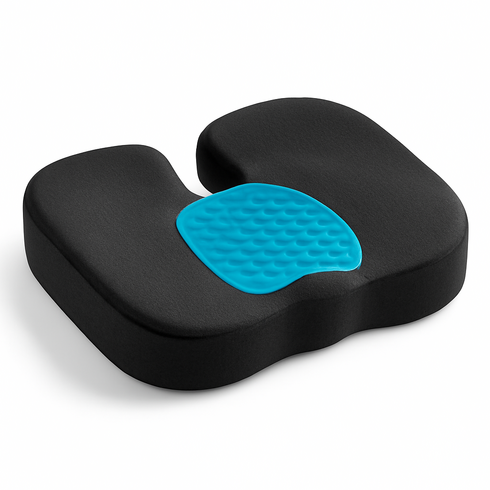
Brand: ComfiLife
Popular, travel-friendly ergonomic seat cushion combining high-density memory foam with a cooling gel layer to relieve tailbone and lower-back pressure; features a non-slip, breathable, zippered washable cover and a lightweight design that works well for cars, planes, and office chairs. Trusted, widely reviewed Amazon best-seller.
ComfiLife Gel Enhanced Seat Cushion – Premium Memory Foam Coccyx Orthopedic Car Seat Cushion
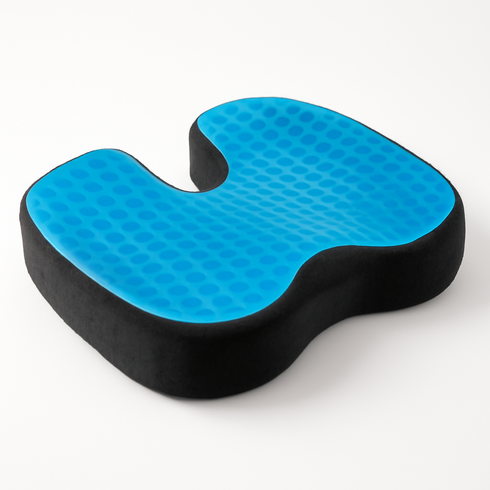
Brand: ComfiLife
Gel-infused memory foam provides cooler sitting comfort while the ergonomic coccyx cut-out and firm support help relieve tailbone/back pain. Lightweight with a non-slip bottom, carry handle and removable, machine-washable cover, making it convenient for travel (car, plane, office) and long drives. A well-reviewed, trusted travel-friendly option.
Cush Seat (Inflatable Seat Cushion)
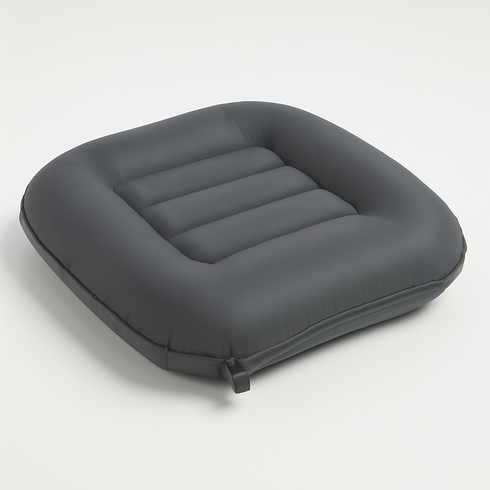
Brand: Klymit
Lightweight, packable inflatable seat cushion from a trusted outdoor brand. Inflates/deflates in seconds so firmness is fully adjustable for personal comfort; provides insulation and padding for long flights, airport benches, train seats, camping or roadside breaks. Durable materials and low pack volume make it ideal for travelers who need a comfortable, portable seat solution.
ComfiLife Gel Enhanced Orthopedic Seat Cushion with Coccyx Cutout
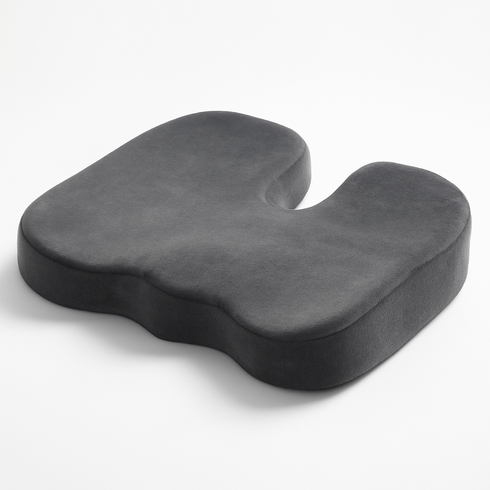
Brand: ComfiLife
High-density memory foam with a cooling gel layer and a rear coccyx cutout to relieve tailbone pressure; non-slip bottom and removable, washable cover with carry handle make it durable and easy to take on planes, cars, and office chairs — trusted, well-reviewed option for travel and everyday use.
Comparison Table
| Product Type | Best Use | Main Advantage | Downside | Who Should Choose It |
|---|---|---|---|---|
| ComfiLife Gel Enhanced Orthopedic Memory Foam Seat Cushion | Long-haul economy or business flights where sustained pressure relief and posture support matter | Contoured, high-density support that evens pressure distribution and reduces numbness | Bulkier and heavier to pack than inflatable options | Long-haul flyers, office workers on the go, anyone needing sustained lumbar and sit-bone support |
| ComfiLife Gel Enhanced Seat Cushion – Premium Memory Foam Coccyx Orthopedic Car Seat Cushion | Hot cabins, warm-weather travel, or for travelers who overheat on flights | Cooling surface or gel infusion cuts heat retention for a cooler seating experience | Can be heavier; cooling effect may lessen over extended use | Hot sleepers and travelers who prioritize temperature regulation |
| Cush Seat (Inflatable Seat Cushion) | Multi-leg trips, backpacking, or when carry-on space is at a premium | Highly packable and adjustable firmness when inflated to preference | Typically less long-term pressure relief and may require periodic reinflation | Minimalists, backpackers, and anyone needing compact, lightweight gear |
| ComfiLife Gel Enhanced Orthopedic Seat Cushion with Coccyx Cutout | Flights where tailbone or lower-back pain is the primary concern | Coccyx cutout relieves direct pressure on the tailbone and can reduce sciatica pain | Reduced contact area can feel less stable for some sitters; fit varies by body and seat | Travelers with coccyx pain, sciatica sufferers, and recovery patients |
FAQ
Will a seat cushion really make long flights more comfortable?
Yes. A well-chosen cushion improves pressure distribution, supports posture, and reduces numbness and back pain on long flights.
Which cushion type is best for long flights?
Memory foam is best for support and pressure relief; gel-infused foam stays cooler; inflatable cushions are most packable—choose by your priorities.
Are inflatable cushions comfortable enough for long-haul flights?
Modern inflatable cushions can be comfortable if finely adjustable, but they typically offer less long-term pressure relief than memory foam.
Can I bring a cushion through TSA?
Yes. Cushions are allowed in carry-on baggage. Deflate inflatables to save space and follow airline carry-on size rules.
How thick should a seat cushion be for a long flight?
Aim for 1.5–3 inches of quality foam for seat comfort; thicker isn’t always better—firm support that prevents sinking is key.
How do I clean and care for a travel seat cushion?
Use removable, machine-washable covers when possible; spot-clean foam with mild detergent and air-dry fully before use.
Conclusion
Make your next long-haul trip more bearable by choosing the best airplane seat cushion for long flights that matches your priorities: pick memory-foam or gel for sustained support and cooling, or an inflatable if you need maximum packability. Before buying, confirm it has a washable, breathable cover and a secure strap, and that the firmness feels supportive (not sinky) — then test it at home so you board ready to relax.