Nothing saps travel momentum like a dead phone: boarding passes vanish, rideshare apps stop working, and the entertainment and maps you counted on disappear mid-journey. On tight connections or long-haul flights a drained battery turns a minor annoyance into missed flights, missed calls and unnecessary stress.
This practical, no-nonsense guide will show you how to keep phone charged while traveling using planning, smart gear choices and simple in-air habits—so you can make it through check‑in, layovers and the flight without hunting for an outlet or improvising at the gate.
Quick Answer
To keep phone charged while traveling, start by fully topping up your phone and a carry-on power bank before you leave, bring the right cables and a compact adapter, and conserve power in-flight with airplane or low‑power modes while using airport or seat outlets when available.
- Fully charge devices and your approved power bank (check Wh limits) the night before travel.
- Pack at least one airline‑approved power bank, a short and a long cable, and a travel adapter so you can charge at gates, layovers, or on the plane.
- Conserve battery: enable low‑power/airplane mode, download offline maps/tickets, and use plane or airport power sources when needed.
Why This Happens
When you try to keep phone charged while traveling, it often dies for reasons that aren’t obvious at first glance. Flights and airports amplify normal battery drains: more radio activity, more screen time, and conditions that make batteries perform worse. The causes below explain why a seemingly full phone can run out fast on the road.
- Screen time and brightness: The display is one of the single biggest power draws. Using maps, streaming video, or reading boarding passes with the brightness turned up quickly chews through charge.
- Radio and signal searching: Weak cellular reception—common in airports, on ramps and during taxiing—forces the phone to boost transmit power and constantly search for networks, which ramps up battery use.
- Location services and GPS: Active navigation, real-time tracking, or frequent background location checks keep radios and the CPU active, increasing consumption.
- Background syncing and push traffic: Email, cloud backups, social apps and messaging services periodically wake the device to sync data, which accumulates into a significant drain over several hours.
- Streaming and online entertainment: Video, music, and live apps use CPU, GPU and network radios simultaneously—multiplying battery usage compared with simple browsing.
- Hotspot and tethering: Sharing your connection with other devices turns your phone into a small router, which drains battery far faster than solo use.
- Battery age and health: Lithium batteries lose capacity over time; a nominal “100%” on an older battery can represent much less usable energy than when the phone was new.
- Temperature effects: Cold cabin air (or very hot conditions) temporarily reduces battery efficiency, making phones die sooner than expected even if the meter shows remaining charge.
- Software bugs and rogue apps: Misbehaving apps or system processes can cause CPU wakelocks that sustain high power draw in the background without obvious symptoms.
- Intermittent or inadequate charging access: Short, unreliable charging opportunities—crowded gate outlets, slow USB ports on planes—mean devices don’t get enough replenishment to keep up with usage.
- Multiple devices and accessories: Using connected accessories (smartwatches, headphones) or charging several devices from one power source divides available energy and raises total consumption.
Practical Solutions
Everyday, no-cost habits
Small routine changes can dramatically extend usable battery during travel without buying anything new.
- Charge the night before and again during pre-departure waiting time—top off the phone while you finish packing or check in online.
- Use battery triage: keep one device fully reserved for critical functions (boarding pass, maps, calls) and let secondary devices run lower.
- Switch to airplane mode when not using connectivity and close or force-stop high-drain apps before boarding.
- Lower screen brightness, enable low-power mode, and turn off push email & background syncing during the trip.
- Download needed media, maps, and tickets for offline use so the phone isn’t searching for network signal.
Pack-and-organize solutions (product-based guidance without specifics)
Choosing the right combination of small items makes charging smoother on the go—focus on versatility and convenience.
- Bring a compact, high-capacity external battery and match it with a short, sturdy charging cable for cramped airplane seats.
- Pack a multi-port wall charger for airport layovers so you can recharge multiple devices at once in a punctual window.
- Include at least one universal travel adapter if you have overseas connections, plus backup cables for every device you’ll rely on.
- Use a slim organizer pouch to keep cables, adapters, and the power bank accessible at the top of your carry-on for quick retrieval.
Airport and gate tactics
Move beyond “find any outlet” to smarter, faster charging at the terminal.
- Scout for charging areas as soon as you arrive and note a few options near your gate—busier gates fill up fast.
- If outlets are crowded, politely request a short share or offer to swap charging times with another traveler rather than occupying space indefinitely.
- Use secure, monitored charging lockers or attendants’ stations when available to leave devices charging for longer layovers.
- Keep cords short and devices elevated (on a bag or seat arm) to avoid tripping hazards and to reduce the chance of accidental disconnection.
In‑flight strategies and etiquette
Make the most of limited seat power and keep your fellow travelers comfortable.
- Conserve juice before attempting an in-flight charge so you reach the outlet with some battery left to finish important tasks.
- If the seat has power, plug in with a short cable to avoid running cords across aisles or blocking armrests.
- Limit simultaneous device use while charging—give priority to the single device needed for the rest of the journey.
- Avoid bringing bulky hubs or extension cords that can obstruct the seat area; stick to solutions that fit within the footprint of your seat space.
Emergency and backup moves
Plan simple contingency steps so a dead phone doesn’t derail travel plans.
- Carry a paper or screenshot copy of critical items (boarding pass, reservation numbers, emergency contacts) in case you can’t access the device.
- If battery dies and you need immediate access, ask gate agents or crew for assistance—many airlines can provide a temporary charging option for urgent matters.
- Know nearby retail options at the airport that sell or rent chargers, and keep a little cash or card handy to buy a replacement if needed.
- When traveling with companions, agree on a shared charging schedule so at least one phone is always available for coordination or emergencies.
Recommended Products
These essentials cover every charging scenario: fast USB‑C PD for quick top‑ups, higher‑capacity banks for long hauls, and the cables, adapters and organizers that keep everything accessible and airline‑compliant.
Anker PowerCore 10000 PD
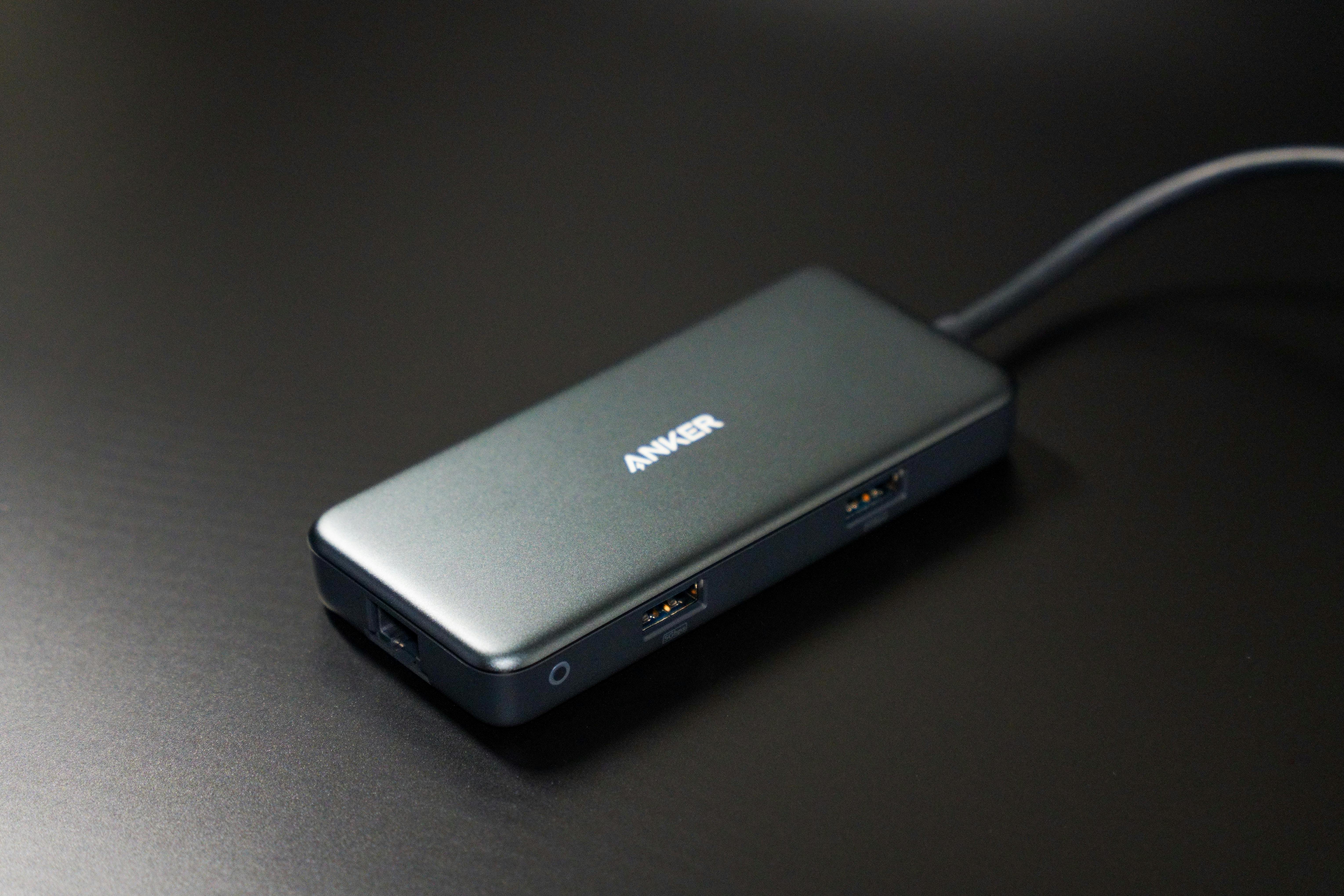
Brand: Anker
Compact 10,000 mAh USB‑C power bank with 18W Power Delivery — good balance of capacity and portability for travelers. USB‑C PD input/output enables fast charging for phones and tablets and can top up small USB‑C laptops; its 37 Wh equivalent is TSA‑friendly for carry‑on. Anker is a trusted brand with reliable build quality and wide compatibility.
Anker PowerCore 20000 Portable Charger (20000mAh)
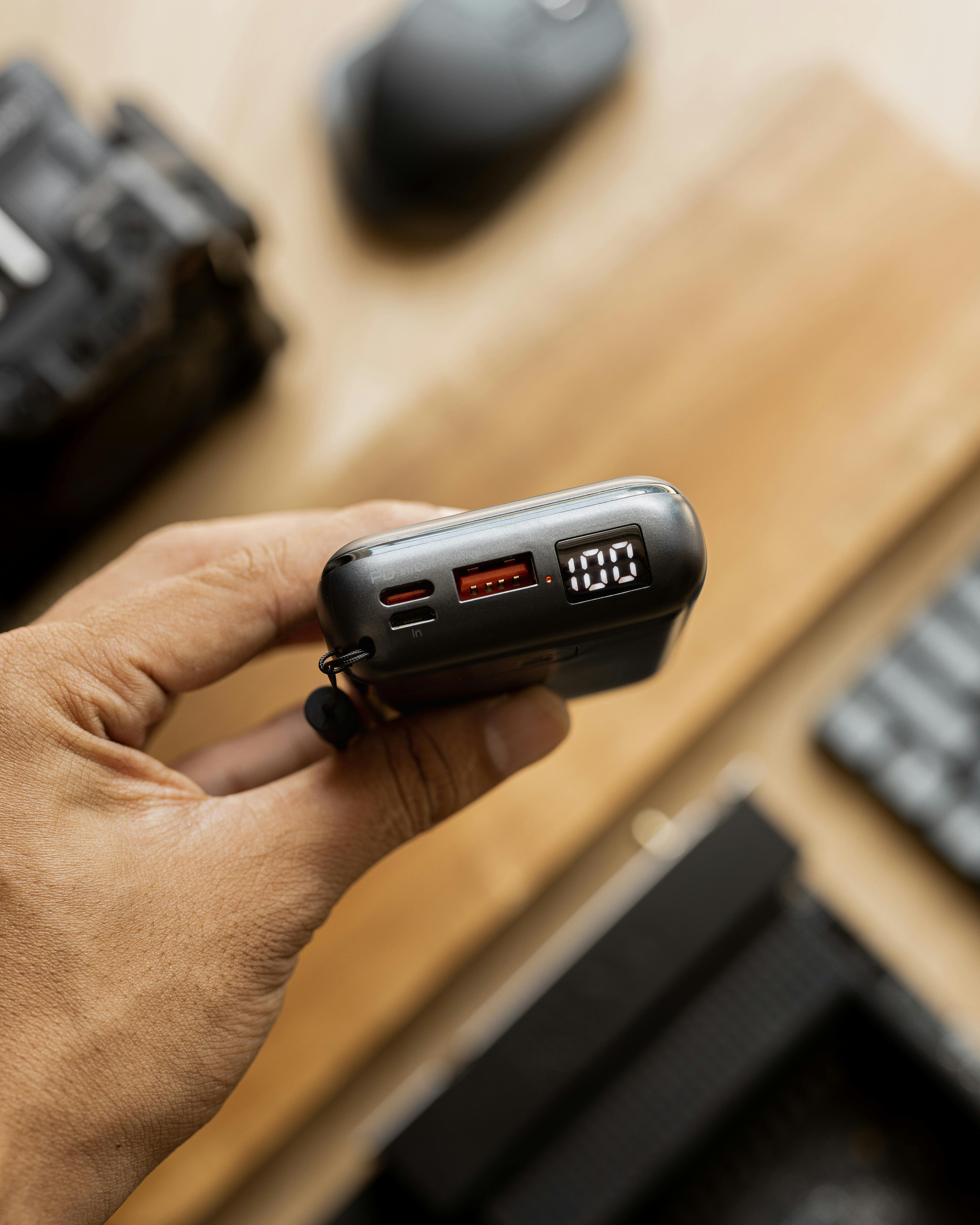
Brand: Anker
Trusted high-capacity battery (20,000mAh) that still meets airline-friendly limits, ideal for travelers who need multiple phone/tablet charges. Compact design, dual USB outputs for charging two devices simultaneously, Anker’s PowerIQ/VoltageBoost for fast charging, and MultiProtect safety system for reliable, durable performance.
Anker PowerCore 20100 Portable Charger (20100mAh, 74.4 Wh)

Brand: Anker
High-capacity yet airline-approved portable battery (20100mAh ≈ 74.4 Wh) under the typical 100 Wh limit, making it suitable for carry-on travel. Trusted brand with multiple USB outputs, reliable charging performance, compact design for long trips, and Anker’s MultiProtect safety features.
PowerPort Atom PD 4 (100W) 4-Port Wall Charger

Brand: Anker
Compact GaN multi-port charger with 2 USB-C PD ports and 2 USB-A ports delivering up to 100W total — lets you charge a laptop, tablet, phone and accessories simultaneously during layovers. Foldable plug, solid build quality, and Anker’s reputation for reliability make it a convenient, travel-friendly choice.
Anker PowerLine III Flow USB-C to Lightning Cable (3ft & 6ft braided)
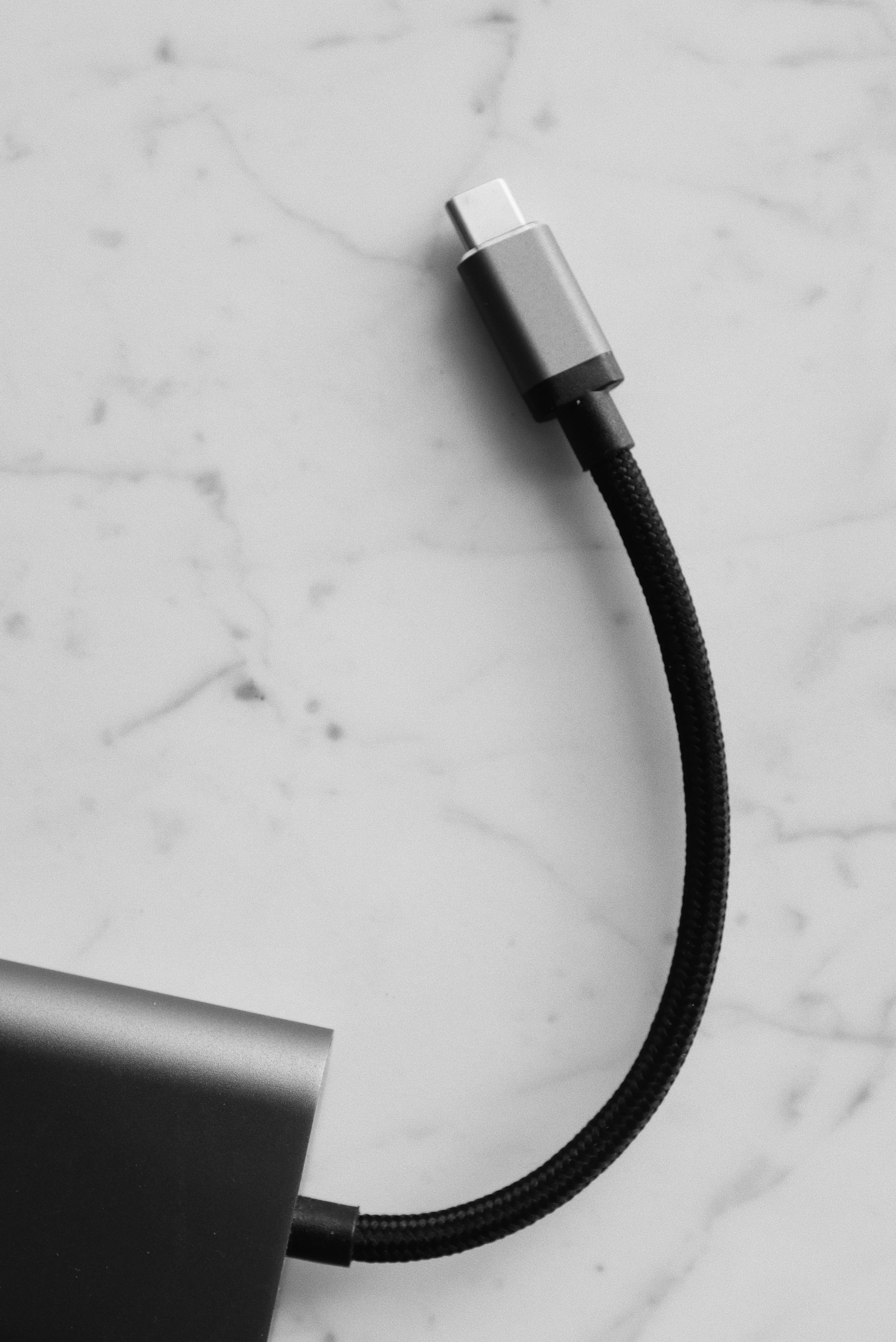
Brand: Anker
Apple MFi-certified USB-C to Lightning cable available in short (3ft) and long (6ft) lengths — ideal for travelers who need a compact cable for power banks and a longer cable for hotel rooms. Braided, highly flexible and reinforced at the stress points for long-term durability; supports USB Power Delivery fast charging for iPhone and iPad. Trusted brand with strong warranty and wide availability.
EPICKA Universal Travel Adapter (4 USB Ports)
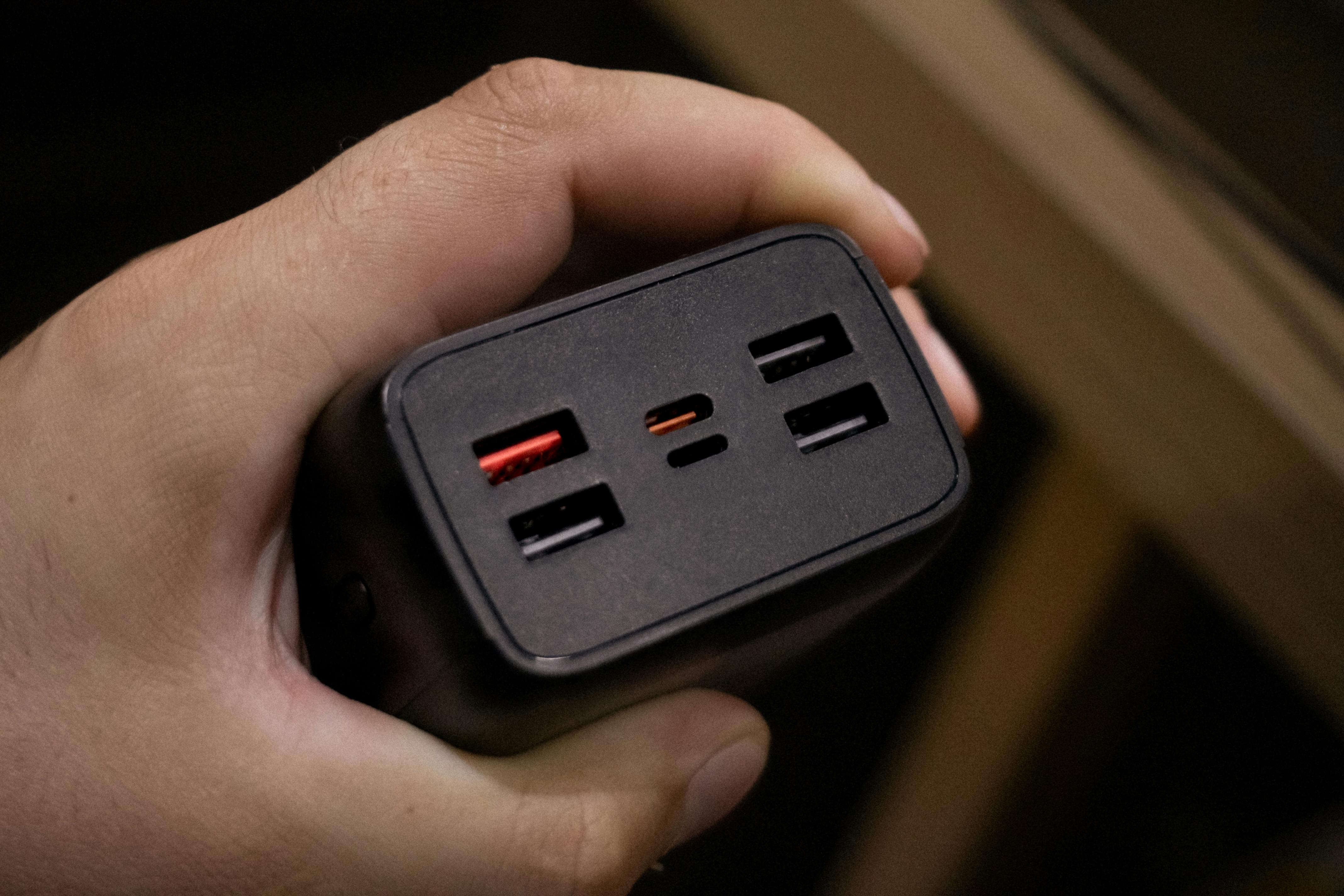
Brand: EPICKA
Compact all-in-one adapter that works in 150+ countries, includes multiple USB ports for charging phones and tablets at once, and features built-in safety protections and a lightweight design—making it a reliable, traveler-friendly choice from a well-known travel-accessory brand.
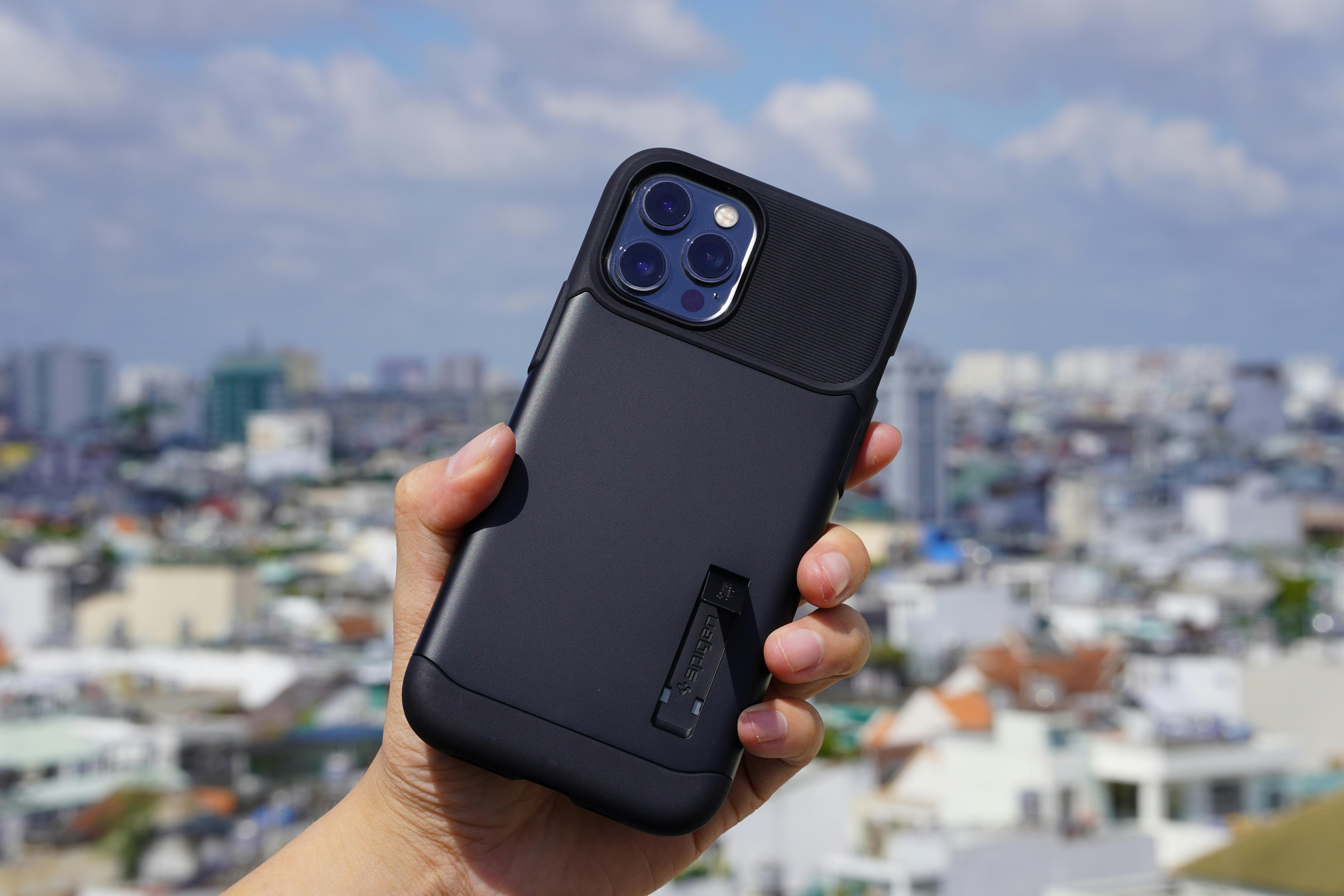
mophie Juice Pack for iPhone 13 (Compact Battery Case)
Brand: mophie
Mophie is a trusted brand for phone power solutions. The Juice Pack is a compact, pocket-friendly battery case that adds reliable on-the-go charging and basic drop protection without bulk—ideal for travelers who need extra runtime during long days of transit. It supports pass-through charging and integrates seamlessly with iPhone charging and data connections.
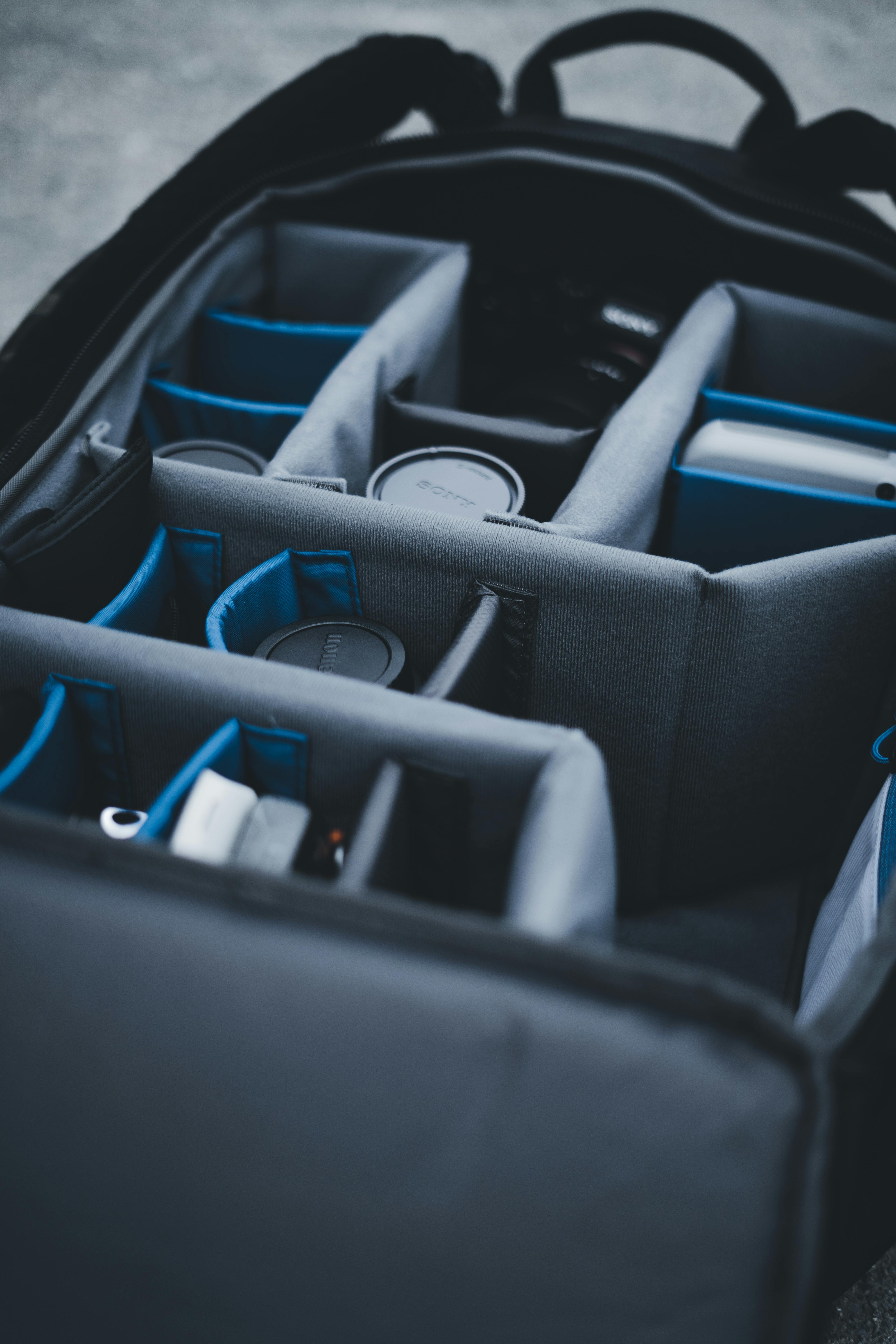
Tech Pouch
Brand: Peak Design
Well-built, travel-focused organizer with multiple internal compartments, zippered pockets, and elastic loops to securely store chargers, cables, power banks, and small gadgets. Weather-resistant materials, compact roll-up design, and high-quality zippers make it durable and easy to pack for frequent travelers.
Nomad 100 Foldable Solar Panel

Brand: Goal Zero
High-output (100W) foldable solar panel from a trusted outdoor power brand — balances strong charging performance with portability and rugged, weather-resistant construction. Works well with portable power stations and power banks to keep phones, cameras, and other gear charged during extended outdoor travel, making it a reliable option for camping, vanlife, and remote trips.
Comparison Table
| Product Type | Best Use | Main Advantage | Downside | Who Should Choose It |
|---|---|---|---|---|
| Anker PowerCore 10000 PD | Fast top-ups on the go and charging PD‑capable phones or laptops | Delivers high-speed charging via USB‑C Power Delivery for quicker refills | Usually costlier and can run warm during fast charging | Frequent flyers with modern USB‑C devices who need quick, reliable boosts |
| Anker PowerCore 20000 Portable Charger (20000mAh) | Long flights or multi‑device days requiring multiple full charges | High capacity provides several full phone charges before recharging | Heavier and bulkier; may approach airline Wh limits if too large | Long‑haul travelers and those carrying multiple devices |
| Anker PowerCore 20100 Portable Charger (20100mAh, 74.4 Wh) | Airline‑compliant power needs where documentation or limits matter | Marked with Wh rating so it’s easier to check airline rules and approvals | Capacity is limited by regulations compared with unrestricted packs | Frequent flyers who prioritize compliance and transparency |
| PowerPort Atom PD 4 (100W) 4-Port Wall Charger | Layovers, hotel rooms or airport outlets when charging several devices | Multiple ports let you charge several devices simultaneously | Requires wall access and is bulkier than a single‑port charger | Families, work travelers, or anyone with several gadgets to top up |
| Anker PowerLine III Flow USB-C to Lightning Cable (3ft & 6ft braided) | Short seat pockets or bedside charging—tight spaces and device swaps | Provides the right connector and length for cramped airplane seats or hotel beds | Cables wear out or tangle over time; extra pieces to keep track of | All travelers—especially those who switch devices or fly often |
| EPICKA Universal Travel Adapter (4 USB Ports) | International layovers and destinations with different outlet types | Lets you plug chargers into foreign sockets without hunting replacements | Some models lack surge protection; bulky multi‑piece units exist | International travelers and anyone connecting through multiple countries |
| mophie Juice Pack for iPhone 13 (Compact Battery Case) | Hands‑free, phone‑only use when you want minimal gear | Combines protection and battery in one slim package for the phone | Adds bulk/weight to the phone and often charges slower than standalone banks | Minimalists or travelers who primarily rely on a single smartphone |
| Tech Pouch | Organizing cables, adapters and small chargers for gate or carry‑on access | Keeps everything together and visible so you can reach items quickly | Another item to pack and carry through security | Tech‑heavy travelers who carry multiple small accessories |
| Nomad 100 Foldable Solar Panel | Extended outdoor trips, camping, or remote travel without mains power | Harnesses sunlight for recharge—useful where outlets are unavailable | Slow, weather‑dependent charging and generally low output compared with mains | Backpackers, campers, and overlanders spending long periods off‑grid |
FAQ
Are power banks allowed on flights?
Yes — power banks are allowed in carry-on luggage under IATA and most airline rules. Units ≤100Wh are generally permitted without approval; power banks between 100Wh and 160Wh usually require airline approval. Power banks are not allowed in checked baggage.
How much mAh power bank do I need for a long flight?
For most smartphones, a 10,000–20,000mAh power bank provides about one to three full charges. Choose higher capacity if you need multiple charges or will power several devices, but keep the Wh limits in mind for airline rules.
Can I charge my phone on the airplane?
Sometimes — many modern aircraft have USB ports or AC outlets, but availability varies by airline and aircraft. Because outlets aren’t guaranteed or may be shared, bring a charged power bank as a reliable backup.
Do I need to carry cables and adapters?
Yes. Bring the correct cables for your devices (USB‑C, Lightning, etc.) and a compact travel adapter for layovers abroad. Short cables are especially useful in tight airplane seats.
Will airplane mode help my battery last?
Yes. Airplane mode disables cellular radios that drain power, which can significantly extend battery life. When allowed, selectively re-enable Wi‑Fi or Bluetooth to conserve energy while staying connected.
What if my power bank is above 100Wh?
Batteries over 100Wh generally require airline approval and are typically limited to a maximum of 160Wh. Check your airline’s policy before travel and carry any required documentation if approval was granted.
Conclusion
To keep phone charged while traveling, take one practical step now: choose an airline-approved backup power option and pack it with your travel essentials so charging is always accessible. That single, small decision will prevent most in‑flight battery headaches.