Finding a cracked shell, ripped seam or broken wheel on arrival is more than an annoyance — it can cost you time, replace essential gear and derail the first days of a trip. Airlines will often cover damage, but getting paid depends on quick documentation and following their rules precisely.
This guide breaks down a practical, step‑by‑step approach to filing an airline damaged luggage claim: what evidence to capture, how to submit the claim, how to coordinate with insurers and when to escalate, so you can pursue fair repair or reimbursement without chasing vague policies.
Quick Answer
Inspect the bag before leaving the baggage hall, report the damage to the airline desk and get a Property Irregularity Report (PIR), photograph and video the damage with timestamps, then file a written claim with the airline (and your insurer or credit‑card provider) within the carrier’s deadline using the PIR, photos and receipts; track the claim reference and escalate if the offer is unsatisfactory.
- At the airport: get a PIR, keep boarding pass and baggage tags, and capture timestamped photos/videos.
- Document: itemize damaged contents, save receipts and repair estimates, and collect any staff correspondence.
- File & follow up: submit the airline claim online or by mail promptly, include all evidence, note the reference number and escalate to customer relations or your insurer if needed.
Why This Happens
Damage to checked baggage is rarely mysterious — it’s the result of systems, equipment and human shortcuts built around speed and volume. Understanding the common failure points makes it easier to anticipate what went wrong and document it for an airline damaged luggage claim.
- High-volume mechanized handling: automated sorters, conveyors and tug systems move thousands of bags per hour; pinch points and sudden transfers can crush, tear or shear materials.
- Rough manual handling: ground crew still lift, toss and stack bags when machines don’t fit the job. Handles, wheels and corners take the brunt of dropping and throwing.
- Frequent transfers and tight connections: every additional loading, unloading or transfer between flights multiplies the chance of a scuff, snag or impact.
- Palleting and container loading: bags jammed into narrow containers or stacked under heavy loads get compressed, causing broken frames, cracked shells and split seams.
- Poor packing and internal shifting: inadequately packed interiors let contents slam into shells or zippered seams, leading to cracked items and ruptured linings from the inside out.
- Weak or worn luggage components: aging zippers, telescoping handles, wheels and corner guards fail under normal stress, turning routine handling into permanent damage.
- Oversized, oddly shaped or overweight pieces: nonstandard shapes get crushed or forced into systems not designed for them, and overweight bags are more likely to be handled roughly.
- Security and customs inspections: locks cut, straps cut or resealing after manual inspections can leave obvious damage even when done to procedure.
- Weather and environmental exposure: rain, snow and salt spray during outdoor transfers can ruin fabrics, corrode hardware and soak interiors when bags are left uncovered.
- Equipment failures and collisions: baggage carts, conveyor flaps and airport vehicles collide with luggage during busy operations, producing dents, scuffs and detached wheels.
- Design trade-offs: lightweight shells and thinner fabrics improve carryability but reduce tolerance for impact; luggage failure can reflect a design choice rather than a one-off incident.
Practical Solutions
These actionable steps help turn paperwork and frustration into a tidy, winnable claim: focus on organization, temporary fixes that preserve evidence, smart coordination with insurers/credit cards, and clear negotiation tactics.
- Create a single, shareable claim packet.
- Scan or photograph every document (boarding pass, baggage tag, receipts, repair estimates) and combine into one PDF for uploads and emailed attachments.
- Use a consistent filename format (e.g., LastName_FlightDate_Claim.pdf) and keep a cloud backup with a public link you can paste into forms or messages.
- Maintain a short spreadsheet or log of all contacts: date, rep name, method (phone/email), reference number and one-line outcome.
- Preserve the damaged item and its context.
- Store the bag and any broken parts in a dry, safe place—don’t toss pieces the airline might want to inspect.
- If you must use the bag, document its condition right before any temporary repair or travel and keep receipts for any quick fixes you buy.
- Use temporary, documented repairs to stay mobile.
- Carry a compact luggage repair kit (wheels/handles/zippers) for on‑the‑spot, reversible fixes; photograph before/after and keep receipts.
- For short trips, inexpensive replacements (a generic bag or clothing) are fine—save all receipts for potential reimbursement.
- Coordinate airline, insurer and credit-card claims efficiently.
- Start with the carrier, then notify your travel insurer and card issuer—always disclose other claims to avoid double‑coverage issues.
- Attach the same master packet to each claim to ensure consistency; reference airline claim numbers when filing with insurers or cards.
- Make your monetary ask precise and supportable.
- Present a single dollar figure (repair estimate or replacement value) supported by receipts/market comparisons instead of vague requests.
- If accepting a cash offer, confirm in writing whether the airline retains the damaged bag and get an inventory receipt if they do.
- Communicate like a pro: concise, evidence-forward, unemotional.
- Use short subject lines that include claim/reference numbers and dates to make emails easy to route.
- Summarize next steps in your message and close each correspondence with a clear request (e.g., “Please confirm receipt and expected response date”).
- Use tracked and formatted submissions.
- When mailing paperwork use tracked/certified delivery; when uploading, optimize images so attachments meet portal size limits (high-quality but reasonably compressed).
- Keep originals of receipts; submit copies and note where originals are stored in your packet.
- Decide when to pay for help or litigate.
- Consider a paid claim service or lawyer only if the likely recovery comfortably exceeds the fees; for modest sums, small claims court is usually faster and cheaper than hiring counsel.
- Before escalating, assemble a tight chronology, copies of all evidence, and your best written offer/demand—courts and mediators respond to organized cases.
Recommended Products
These items help streamline an airline damaged luggage claim: travel insurance that covers baggage damage and reimbursement, a premium travel credit card with built‑in baggage protection benefits, and a compact luggage repair kit for quick field repairs while you’re still traveling.
Allianz Travel Insurance – OneTrip Premier
Brand: Allianz Global Assistance
Comprehensive travel insurance tailored for travelers that includes robust baggage damage and reimbursement coverage, higher benefit limits than entry-level plans, and 24/7 global assistance—making it a trusted choice to protect luggage and recover costs from damage or loss during trips.
Chase Sapphire Reserve®
Brand: Chase
A top-tier travel rewards card ideal for frequent travelers: offers robust baggage delay and lost luggage protections, trip interruption/cancellation and travel delay coverage, primary rental car insurance, airport lounge access (Priority Pass), a yearly travel credit, and strong points-earning on travel and dining. Backed by Chase’s trusted issuer network and premium concierge benefits, it’s well-suited for travelers who want both protection and high-value rewards.
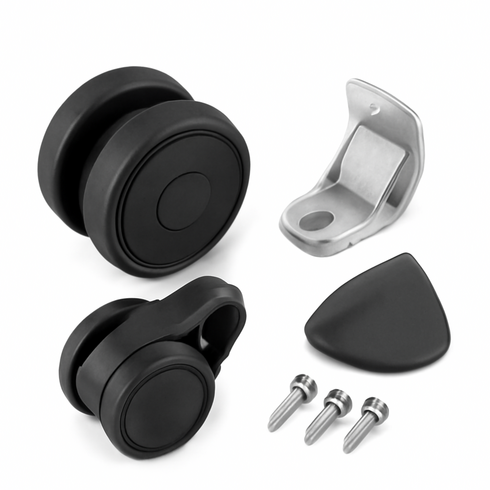
Samsonite Spinner Wheel Replacement Kit (OEM luggage wheel repair kit)
Brand: Samsonite
OEM replacement wheel kit from a trusted luggage brand — includes spinner wheel, axle and mounting hardware for many Samsonite carry-ons. Durable ABS/poly wheel construction, simple bolt-on installation, and specifically engineered to match Samsonite tolerances make this ideal for quick, reliable repairs before or during travel. Good for travelers who need a fast DIY fix to avoid checked-bag delays or trips to a repair shop.
Comparison Table
| Product Type | Best Use | Main Advantage | Downside | Who Should Choose It |
|---|---|---|---|---|
| Allianz Travel Insurance – OneTrip Premier | Submitting claims for damaged luggage and contents after airline handling (financial reimbursement). | Broad coverage for both baggage and personal items, with formal claims process and higher limits than ad-hoc solutions. | Claims can take time, may have deductibles and policy exclusions, and require detailed documentation. | Travelers carrying valuable items, long trips, or anyone who wants comprehensive post-damage financial protection. |
| Chase Sapphire Reserve® | Automatic baggage protection tied to purchases made with the card or short-term trip coverage. | Convenient, often included benefit with travel purchases; quicker claims for cardholders and sometimes primary coverage. | Coverage limits and eligibility rules vary; protection may be conditional on using the card to book travel. | Frequent flyers or travelers who already use a premium travel card and prefer bundled coverage without a separate policy. |
| Samsonite Spinner Wheel Replacement Kit (OEM luggage wheel repair kit) | Immediate on‑trip repairs (wheels, zippers, handles) to keep luggage functional and avoid disruption. | Fast, low-cost fixes you can do yourself; helps reduce interim expenses and provides receipts for reimbursement attempts. | DIY repairs may not substitute for professional estimates required by some insurers or airlines and can be less durable. | Travelers needing quick, temporary fixes during a trip or those willing to attempt basic repairs to minimize downtime. |
FAQ
How quickly must I report damaged luggage to the airline?
Always report damage at the airport before leaving the baggage area and request a Property Irregularity Report (PIR). Many carriers also require a written or online claim within 7–21 days—check the airline’s policy for the exact limit.
What evidence do I need to win a damaged baggage claim?
Core items are timestamped photos and short videos, the PIR, baggage tags and boarding passes, receipts for damaged items, repair estimates, and any written correspondence from airline staff.
Can I claim for damaged contents inside my suitcase?
Yes. You’ll need receipts or reasonable value estimates for contents and evidence the damage resulted from airline handling; note that some carriers or insurers limit coverage for certain categories (e.g., electronics, jewelry).
Will travel insurance cover airline damage to luggage?
Many travel-insurance policies cover baggage damage if you report promptly and provide the PIR plus repair estimates, but coverage limits, deductibles and exclusions vary—submit the airline documentation with your insurer claim.
What happens if the airline offers a small settlement I don’t accept?
Ask for a written explanation citing the policy clause used. Then appeal through customer relations, escalate to the national aviation consumer protection body or ombudsman, and consider small claims court if your documentation supports a larger payout.
How much compensation can I expect for international damaged baggage?
Compensation depends on the airline’s policy and international agreements like the Montreal Convention, which caps liability in Special Drawing Rights (SDRs). Final payout reflects proof of value, depreciation and any policy limits.
Conclusion
Your best next step after discovering damage is to document and report it immediately: photograph the damage, get a Property Irregularity Report at the baggage desk and keep your tags and boarding pass, then submit your airline damaged luggage claim in writing (with photos, receipts and repair estimates) within the carrier’s deadline and notify your insurer or credit‑card provider—track the claim reference and follow up until it’s resolved.