Showing up at the gate with a carry on slightly too big is a tiny mistake that can turn into a big delay: you could be forced to gate‑check, hit with fees, or frantically repack while the line moves. Small size or volume overages matter because enforcement varies by flight and an ounce of prep can save minutes, money, and stress.
This guide walks you through fast, practical fixes you can execute in two minutes at the gate—how to assess the problem, compress or redistribute items into your personal item and jacket, when to use a foldable duffel or buy a compliant bag, and how to handle last‑resort options so you get on board without a headache.
Quick Answer
If your carry on is slightly too big, act fast and calm: do a 60–90 second triage (measure/estimate size and weight, ask the gate agent about tolerance), then immediately try quick-volume fixes—compress soft items, move dense things into your personal item or onto your body, or slip overflow into a lightweight foldable bag. If those moves fail, choose the least-painful fallback (buy a compliant bag at the airport, gate-check, prepay a checked bag if cheaper, or ship same-day) and always keep valuables and essentials with you.
- Fast triage: compare bag to the sizer, weigh or estimate, and politely ask the gate agent about leniency.
- Quick fixes: use compression cubes or vacuum bags, transfer laptop/shoes/toiletries into your personal item, or wear bulky layers to shrink the bag.
- Fallbacks: move overflow into a foldable duffel or buy one at the airport, or decide to gate-check/pay for checked baggage or ship—keep valuables and meds with you.
Why This Happens
There’s rarely a single culprit — more often a handful of small miscalculations and inconsistencies add up so your bag ends up a little too big at the gate. Below are the practical, common reasons this situation shows up.
- Packing assumptions vs real dimensions: many travelers measure soft bags by how they “look” stuffed, not by measuring height×width×depth including wheels and handles. Soft fabric compresses in transit and looks smaller than the rigid dimensions an airline will enforce.
- Wheels and handles add hidden inches: airlines count protruding wheels, handles and external pockets. A bag that fits the body of a sizer can fail once wheels or a top handle are included.
- Different airline rules and enforcement: size limits vary by carrier, cabin class and even aircraft. Some agents strictly enforce sizers, others are lenient — so a carry on slightly too big may pass one flight and fail another.
- Last-minute packing and impulse items: last-minute shopping, gifts or grabbing extra layers can push a borderline bag over the edge. Travelers often underestimate how quickly a few small items add bulk.
- Seasonal clothing and footwear: bulky jackets, boots and winter gear take up far more volume than lightweight travel clothes, and are frequently added at the gate when travelers realize they’re cold or want to save space in the bag.
- Miscalculating compressibility: soft items can be compressed in a suitcase but still stick out at the corners or fail to clear a rigid sizer; compression helps volume but doesn’t eliminate rigid protrusions.
- Weight-versus-size confusion: people focus on a luggage scale and assume weight compliance equals size compliance — a bag can be under the weight limit but still too large for the carry-on sizer.
- Inaccurate or inconsistent measuring tools at home: luggage scales and tape measures vary in accuracy, and measuring the wrong axis (for example measuring height without handles) produces misleading results.
- Human error and rushed timelines: hurried travelers don’t re-check dimensions after repacking, misplace the published size limits, or forget that different routes or connecting airlines have different standards.
Practical Solutions
When you discover your carry on is slightly too big, treat it like a fast triage: decide in under two minutes whether you can fix it at the gate, need a temporary bag, or must accept a checked outcome. Below are prioritized, practical options with quick time estimates so you can choose what fits your situation.
Quick, no-cost fixes (30–90 seconds)
- Wear or redistribute: Put on your bulkiest jacket, boots, or sweater and move dense items (laptop, shoes, toiletry pouch) into your personal item or pockets to reduce external profile.
- Offload to seatmate: If someone in your row has extra space under the seat, politely ask to tuck one small item under theirs for the flight.
- Compress on the spot: Reorganize loose items (squash soft clothes into corners, tuck items behind the wheel or handle) to shave millimeters of bulk—fast and free if the oversize is minor.
- Ask the gate agent an immediate question: confirm whether the flight is full and how strict enforcement is right now; if the agent says there’s slack, you may get a pass without further action.
Fast product-based fixes (1–3 minutes)
- Use compression packing cubes or travel vacuum bags to quickly reduce garment bulk—these work best for soft items and can be done in place at the gate.
- Pull out a lightweight, foldable duffel from your bag (or carry one pre-packed) and move overflow into it; stash it under the seat as a personal item if allowed.
- Check weight quickly with a portable luggage scale if you suspect the problem is weight rather than dimensions—this helps decide whether to reshuffle or accept gate-checking.
- If you prefer avoiding gate-check fees and time, locate the airport’s same-day shipping desk (FedEx/UPS or equivalent) to ship nonessential overflow home the same day.
When you need to decide quickly (decision flow)
- Minor oversize and plenty of time: try no-cost fixes first, then product-based compression or foldable-duffel moves.
- Moderate oversize with tight time: move priority items to your personal item, wear bulky layers, and prepare to gate-check if still oversized.
- Large oversize or strict enforcement: weigh the cost/time—prepaying a checked bag (if available online) or gate-checking might be faster; shipping is a good alternative if you want to avoid baggage-handling risks.
Short scripts to use at the gate
- Polite inquiry: “Hi — my bag looks slightly over the size limit. Is there any flexibility on this flight, or should I try to redistribute items now?”
- If offered a gate check: “I’d rather avoid damage—if I gate-check, is there a claim tag or fragile handling option I should fill out?”
- If you prefer to pay or ship: “Can you tell me the cost to check at the gate, or where the nearest shipping desk is in the terminal?”
Recommended Products
When your carry on is slightly too big, a few lightweight tools make the difference between a quick fix and a costly gate check. These items help you verify weight fast, compress bulking clothes, and shift overflow into a compliant soft bag or arrange same‑day shipping when needed.
Etekcity Digital Hanging Luggage Scale (110 lb / 50 kg)
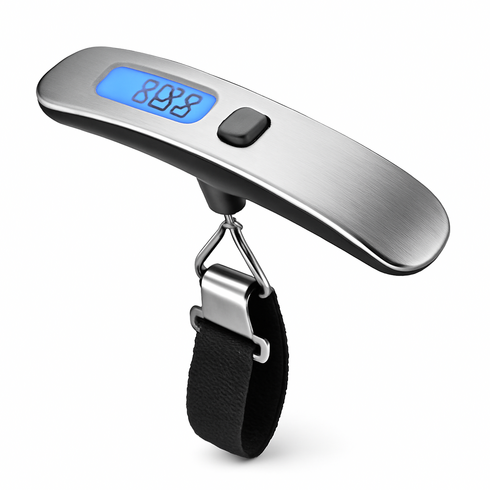
Brand: Etekcity
Compact, lightweight hanging scale from a trusted brand—accurate to 0.1 lb/0.05 kg with tare and unit-conversion functions, backlit LCD for easy reading, sturdy stainless-steel hook and comfortable grip, runs on a common CR2032 battery, highly rated by travelers for preventing overweight baggage fees and ideal for packing checks on the go.
Pack-It Specter Compression Cube
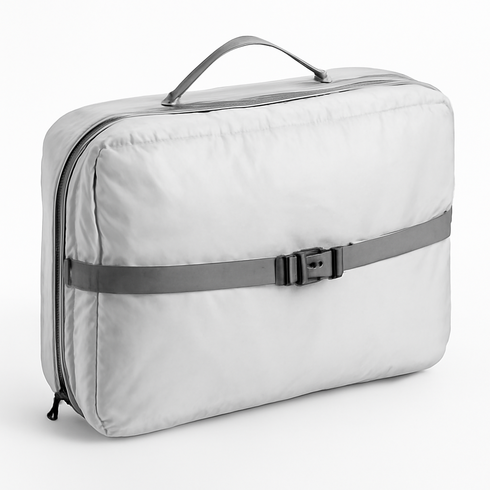
Brand: Eagle Creek
Ultralight, water-resistant ripstop fabric with a dedicated compression zipper that significantly reduces bulk—ideal for maximizing carry-on space. Durable travel-grade construction from a trusted brand; available in multiple sizes to organize and compress clothing for short trips.
Ultra-Sil Duffel Pack 45L
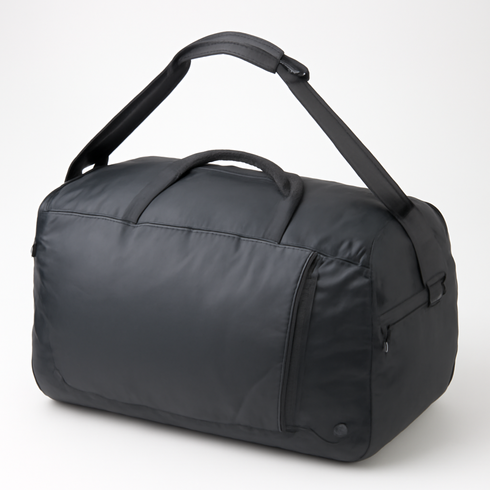
Brand: Sea to Summit
Ultralight, packable duffel that stuffs into its own small pouch for easy under-seat storage; made by a trusted outdoor brand with durable, water-resistant fabric and a roll-top closure and grab handles—perfect for moving overflow items on trips without adding bulk.
AirPortr Same‑Day Luggage Transfer Service
Brand: AirPortr
AirPortr provides on‑demand, same‑day pickup of overflow or excess luggage directly from major airports and delivers it to hotels or addresses, letting travelers avoid checked‑bag limits and oversized fees. It’s designed for time‑pressed travelers, offers app booking, real‑time tracking and insurance options, and is a well‑known service used at major international airports.
Comparison Table
| Product Type | Best Use | Main Advantage | Downside | Who Should Choose It |
|---|---|---|---|---|
| Etekcity Digital Hanging Luggage Scale (110 lb / 50 kg) | Confirm whether the bag is overweight before the gate agent measures it. | Instant, accurate weight reading so you can decide whether to redistribute or pay. | Doesn’t measure dimensions or address rigid wheel/handle overhangs. | Travelers unsure about weight limits or who want a quick pre-check to avoid surprises. |
| Pack-It Specter Compression Cube | Compress clothing and soft items quickly to shave inches off packed volume. | Reduces bulk in seconds without unpacking everything; ideal for soft garments. | Won’t fix protruding wheels, frames, or handles and takes minimal effort to compress. | Packers with mostly clothes and soft gear who need a fast gate-side volume fix. |
| Ultra-Sil Duffel Pack 45L | Move overflow into a soft, stowable bag you can tuck under the seat or wear. | Provides instant extra capacity and flexibility; inexpensive and lightweight. | Creates an extra bag to manage and may use up your personal-item allowance. | Passengers with excess non-fragile items who can carry one more soft bag aboard. |
| AirPortr Same‑Day Luggage Transfer Service | Ship bulky overflow same day from the airport when checking isn’t preferable. | Eliminates the need to check or gate-check items and avoids potential baggage damage. | Costs money and takes time; items won’t be with you on the flight and require packing. | Travelers with high-value checked-bag risks, long layovers, or items they can wait to receive. |
FAQ
Will the gate agent let a carry-on that is slightly too big on the plane?
It depends on the airline and how full the flight is. Many agents allow minor oversize when space allows, but you risk being asked to gate-check or pay a fee—so always have a backup plan.
Can I squeeze my bag smaller with packing cubes or vacuum bags at the gate?
Yes. Compression packing cubes and travel vacuum bags can reduce bulk enough to meet size limits in many cases, but they won’t change wheel or handle protrusions.
Is it cheaper to gate-check or to pay for an extra checked bag online?
Gate-checking may be free on some carriers but can mean longer waits and a higher risk of damage; prepaying a checked bag online is usually cheaper than paying a higher fee at the gate.
Can I move things into my personal item or wear bulky items to comply?
Yes. Transferring items into a well-packed personal item and wearing heavy layers (boots, jackets) is a common and effective tactic to meet size limits.
What should I do with fragile or valuable items if I must check my bag?
Remove valuables—electronics, documents, medications—and carry them on. For fragile items that must be checked, pad them with clothing and mark the bag “fragile,” but expect limited protection.
Are there airport services to ship overflow if I can’t fit or don’t want to check?
Yes. FedEx Office, UPS Store and airport shipping desks offer same-day shipping and are useful when you want to avoid baggage fees or leave items behind temporarily.
How accurate are carry-on size tolerances printed online?
Airline-published sizes are authoritative, but enforcement varies. Check your specific carrier’s size and weight policy for your ticket class and aircraft type before you arrive.
Conclusion
If your carry on is slightly too big, move fast: do a two-minute gate triage and first try redistributing bulky or dense items into your personal item and wear heavy layers; if that won’t cut it, move overflow into a lightweight foldable duffel you can stash under the seat. Be ready to gate-check, pay, or ship as a last resort—and if you must check the bag, keep valuables and fragile items with you. Acting quickly and calmly is the simplest way to avoid delays and fees.